
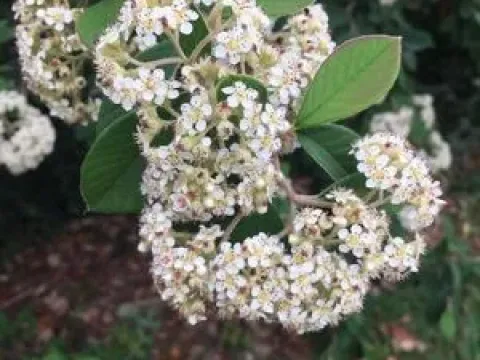
Dichotomanthes
Dichotomanthes
Dichotomanthes (Dichotomanthes tristaniicarpa) is a unique, monotypic genus of evergreen shrubs belonging to the Rosaceae family. Native to the mountainous regions of Yunnan, China, it is considered a botanical rarity that bridges the gap between different subfamilies within the rose family.
What the section contains

Dichotomanthes
Botanically, the plant is characterized by its leathery, dark green leaves and a distinct branching pattern. It typically thrives as a high-altitude shrub, adapted to the specific conditions of mountain cloud forests where humidity is relatively high and temperatures remain moderate throughout the year.
For cultivation purposes, Dichotomanthes requires well-drained, slightly acidic soil. It is highly intolerant of waterlogged conditions, which necessitates a substrate with excellent aeration. Using a mix of coarse sand and organic material is often recommended to mimic its natural soil environment.
The climate requirements are quite specific: the plant prefers cool, temperate conditions. It does not perform well in regions with intense summer heat or extreme frost, making it best suited for sheltered microclimates or controlled environments such as botanical conservatories.
In terms of usage, Dichotomanthes is predominantly valued as an ornamental specimen for specialized collections. Its aesthetic appeal comes from its white flowers followed by red, berry-like fruits that provide visual interest over an extended period during the autumn and winter months.
The primary threats to Dichotomanthes include fungal diseases such as powdery mildew, which can significantly damage foliage under conditions of high humidity and poor air circulation. Preventive measures should focus on maintaining adequate space between individual plants.
Insect pests, including aphids and spider mites, are common nuisances for this genus. These pests tend to target the tender tips of new growth, and if left untreated, they can lead to leaf yellowing and a general decline in the plant's overall vigor.
Root rot is a critical risk factor for this species. Given its intolerance to soggy soil, any interruption in proper drainage can lead to rapid decay of the root system, often caused by Phytophthora or Fusarium pathogens present in the growing medium.
Maintaining plant health requires consistent observation for early signs of infestation or fungal activity. Integrated pest management, emphasizing cultural practices over chemical application, is highly recommended to protect this rare botanical specimen.
Pruning should be performed only with sterilized equipment to prevent the transmission of pathogens. Providing the plant with its preferred growing conditions—cool air, good light, and excellent drainage—is the most effective way to avoid disease and pest pressures.