
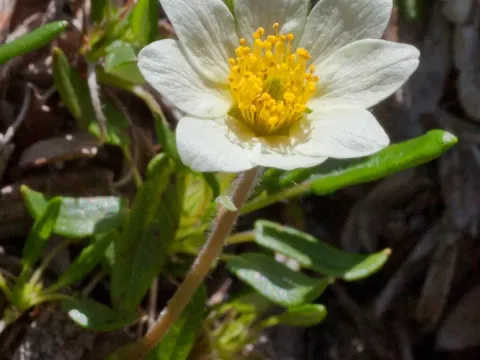
Dryas
Dryas
Dryas, commonly known as mountain avens, is a genus of evergreen dwarf shrubs belonging to the Rosaceae family. These plants are native to arctic and alpine regions, showing remarkable adaptation to harsh environmental conditions.
What the section contains

Dryas
Cultivation requires specific environmental parameters, primarily full exposure to sunlight. Dryas plants are intolerant of shade, which significantly inhibits their growth rate and overall vigor in garden settings.
Soil requirements for this crop involve highly porous, well-draining media. Calcareous and rocky soils are considered ideal, while heavy clays that retain excessive moisture must be avoided to prevent root damage.
Regarding climate, Dryas thrives in cool, temperate environments. It is highly resistant to freezing temperatures, making it a reliable choice for alpine gardens and regions with cold winters where other species struggle.
The primary use of Dryas in agriculture and horticulture is as a groundcover for rock gardens and erosion control on slopes. Its creeping habit makes it effective for stabilizing loose soil while providing aesthetic value throughout the year.
The most significant threat to Dryas health is root rot caused by stagnant water or poor drainage. Excessive moisture in the crown area is the primary cause of plant death in cultivated environments.
Aphids represent a common pest threat, particularly during the rapid growth phase in late spring. These insects cluster on young stems, sap-sucking and potentially weakening the overall plant structure.
Fungal issues such as powdery mildew may develop if the plants are placed in areas with insufficient air circulation. Thinning out the plantings and ensuring proper spacing can mitigate this risk effectively.
Nutrient toxicity, especially from over-application of heavy nitrogen fertilizers, can lead to foliage scorching and root necrosis. Dryas prefers low-fertility, mineral-rich environments rather than nutrient-rich amendments.
Effective management includes regular monitoring for foliar discoloration and application of appropriate systemic fungicides if fungal pathogens are detected in the plantation area.