
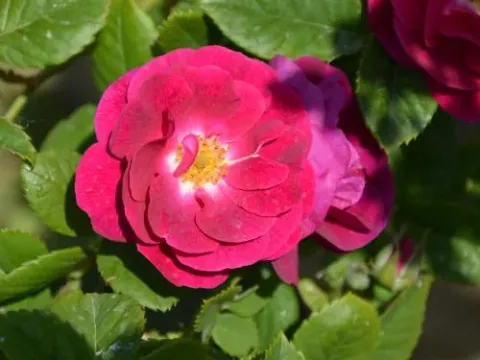
Ascherson's Rose
Rosa aschersoniana
Ascherson's Rose (Rosa aschersoniana) is a distinct hybrid species belonging to the Rosaceae family. This botanical entity is recognized as a natural hybrid descendant involving Rosa canina and Rosa gallica, exhibiting unique phenotypic traits common to wild-type roses.
What the section contains
Ascherson's Rose
The plant features a robust root architecture, enabling it to thrive in diverse soil textures, particularly deep loams that offer adequate water retention and drainage. It prefers sites with a neutral to slightly acidic pH for optimal nutrient uptake.
Originating from regions within Central and Eastern Europe, this shrub is well-adapted to temperate climate zones. It requires full sunlight exposure to ensure proper flowering density and to minimize the risk of fungal infections related to excessive shade.
Cultivation practices involve regular nitrogen-based fertilization during the early growing season followed by potassium-rich inputs during the budding phase. Consistent moisture management is required, especially during the establishment phase of the young plant.
Pruning is essential for maintaining plant vigor and promoting structural integrity. By removing diseased or crossing branches, gardeners can effectively manage the growth habit of the bush, ensuring longevity and consistent yearly blooms.
The primary pathogenic threats include powdery mildew and rose rust, which are frequently triggered by high relative humidity and poor air circulation within the shrub canopy. Preventive fungicide applications are recommended during high-risk periods.
Insect pests, such as aphids and leaf-rolling caterpillars, can cause significant damage to the foliage and buds. Regular monitoring and the implementation of integrated pest management strategies are necessary to protect the plant from severe infestation.