
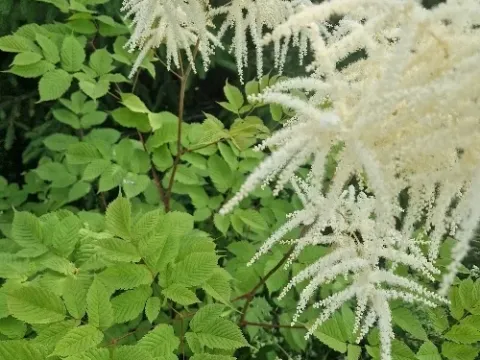
Aruncus
Aruncus L.
Aruncus (genus Aruncus L.) is a herbaceous perennial belonging to the Rosaceae family. This culture is native to temperate regions across the Northern Hemisphere, typically thriving in moist woodland environments and alongside stream banks.
What the section contains


Aruncus
The plant is characterized by its significant size, often reaching heights between 1 and 2 meters. It features a robust root system and distinctive feathery, compound leaves that provide a sophisticated aesthetic value to any landscape throughout the growing season.
Regarding cultivation requirements, Aruncus prefers fertile, humus-rich soils that retain moisture without becoming waterlogged. High organic content in the soil significantly improves plant vigor and the quality of its plume-like inflorescences.
Climate adaptation is best managed by planting in partial shade. While the plant can tolerate some sunlight, constant exposure to intense heat without adequate soil moisture often leads to leaf scorching and premature decline in decorative quality.
Agrotechnical maintenance includes consistent watering during dry spells and the application of mulch to preserve soil moisture. Annual pruning is essential; the entire foliage should be cut back to the ground late in the autumn after the first frosts.
Aruncus is widely recognized for its robust nature and exceptional resistance to most common garden pests and diseases. Its tough, fibrous tissues make it less susceptible to damage compared to other tender perennials.
However, environmental stress, specifically poor drainage or overly compacted soil, can lead to root rot. Ensuring adequate soil aeration and choosing a site with proper drainage are the most effective preventive measures against subterranean pathogens.
On rare occasions, aphids may colonize the tender growth tips. Early detection and the use of targeted horticultural soaps or mild insecticides are usually sufficient to manage these minor pest infestations effectively.
Fungal issues, such as powdery mildew, may manifest in conditions characterized by poor air circulation and excessive humidity. Maintaining proper spacing between plants helps to reduce the risk of humidity-related foliage diseases.
Overall, the health of the plant is largely dependent on proper site selection rather than frequent chemical interventions. By avoiding waterlogged conditions and ensuring adequate spacing, the gardener can easily maintain a healthy, disease-free culture.