
Asturian cinquefoil
Potentilla asturica
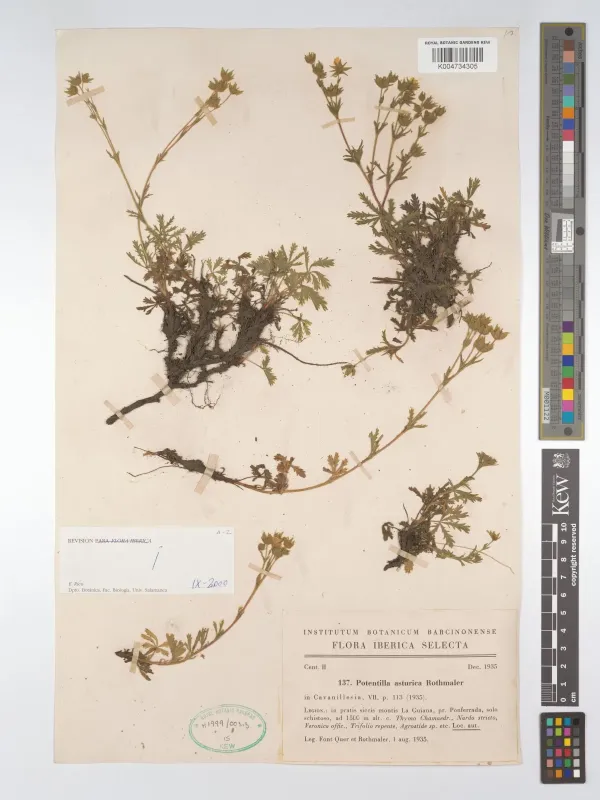
Description
Sowing dates
The sowing of Potentilla asturica seeds is traditionally performed in late autumn or early spring, following a period of mandatory cold stratification.
When sowing in trays, a light and well-draining substrate should be used to provide optimal conditions for the delicate germination process of the seeds.
Seeds should be covered with only a very thin layer of soil or sand, as they require specific light exposure to break dormancy effectively.
The distance between individual plants should be maintained at 30–40 cm to prevent overcrowding and ensure adequate airflow for the maturing plants.
Early sowing helps ensure the establishment of a robust root system before the onset of the peak summer temperatures in the growing region.
Growing requirements
Potentilla asturica is a member of the Rosaceae family, known for its resilience and adaptability in various mountainous and temperate environments.
The species prefers sun-exposed locations with well-drained, nutrient-rich soils that allow the roots to breathe and develop without constant saturation.
Regarding moisture, the plant is relatively drought-tolerant once established, but it thrives best with consistent but moderate irrigation practices.
The plant demonstrates significant hardiness to cold climates, making it suitable for areas where winter temperatures frequently drop below freezing.
Soil quality can be enhanced by the incorporation of organic matter, which supports the overall vigor of the plant during the main vegetative phase.
Main diseases and pests
Fungal pathogens such as powdery mildew can affect the foliage during periods of high humidity and poor air circulation within the plant canopy.
Pests, particularly aphids, can cause significant stress to the plant by feeding on the nutrient-rich sap of young, tender leaves and flower buds.
Integrated pest management strategies should be applied to control populations of harmful insects without disrupting the local ecological balance.
Root rot remains the most serious threat, usually occurring due to soil compaction or excessive watering practices that suffocate the root system.
Proper hygiene, such as the removal of dead or decaying plant matter, is essential for reducing the risk of disease transmission in dense plantations.