
Ash-leaf blackberry
Rubus fraxinifolius
Description
Growing requirements
Rubus fraxinifolius, commonly known as the ash-leaf blackberry, is an evergreen shrub belonging to the Rosaceae family. Native to the mountainous tropical regions of Southeast Asia, this plant thrives in cool, high-altitude environments.
The plant requires moderate temperatures, typically between 18 and 25 degrees Celsius, and prefers locations with dappled shade. Direct, intense sunlight can scorch the foliage, making protection or greenhouse shading necessary for optimal growth.
Soil requirements focus on well-draining, slightly acidic compositions rich in organic matter. A sandy or loamy texture is ideal, as the roots are sensitive to waterlogging, which often leads to rapid decay in containerized or field cultivation.
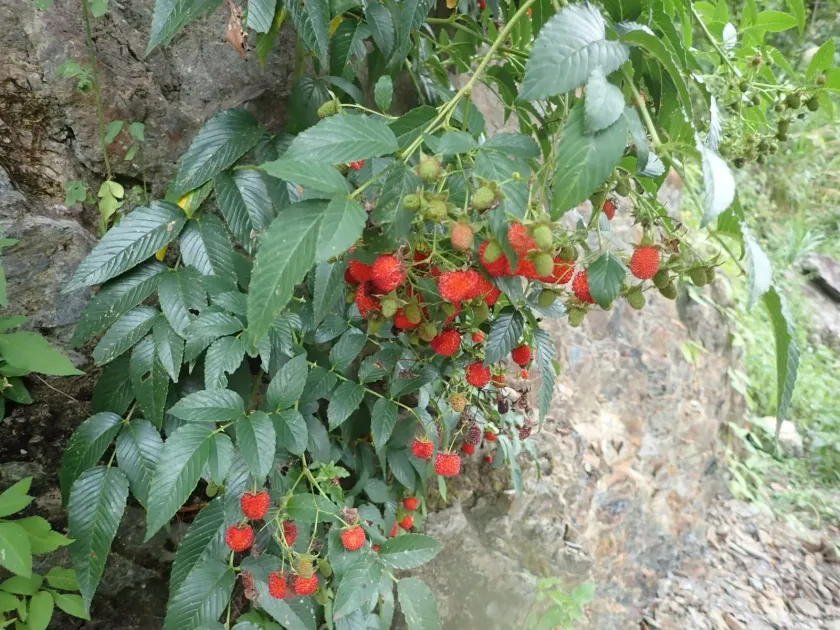
Botanically, the plant is characterized by its pinnate leaves that closely resemble those of an ash tree. It grows as a semi-upright shrub with stems that are generally less prickly than common blackberry varieties, facilitating easier management.
Due to its tropical origin, the ash-leaf blackberry is not frost-hardy. Cultivation in cooler climates must be restricted to greenhouses or indoor gardens where the environment remains consistently frost-free throughout the year.
Yield
The fruit of Rubus fraxinifolius consists of clusters of small, vibrant orange-red berries. These fruits offer a distinct, mildly acidic yet sweet flavor profile, making them a unique addition to specialty produce markets.
Under controlled greenhouse conditions, the plant is known for its ability to bear fruit almost year-round. Consistent harvest cycles make it an attractive candidate for hydroponic or container gardening enthusiasts looking for year-round production.
In terms of utilization, the berries are highly valued for culinary applications, including preserves, desserts, and fresh garnishes. Their nutritional profile, rich in antioxidants and vitamins, aligns with the growing demand for exotic superfoods.
Post-harvest handling is critical due to the fragile skin of the berries. They are highly perishable, and immediate cooling or direct sales are recommended to maintain quality and shelf life after the harvesting process is complete.
Pruning is an essential maintenance task to ensure consistent yields. Removing spent canes encourages the growth of vigorous new stems, which are necessary to sustain the plant's productivity over multiple seasons.
Main diseases and pests
The primary fungal threat to this species is gray mold (Botrytis), which thrives in stagnant, humid environments. Maintaining proper airflow and spacing between plants is the most effective cultural practice for disease prevention.
Pests such as spider mites and aphids are common in closed cultivation settings. These can reproduce rapidly and weaken the plant, so early detection and the use of insecticidal soaps or biological controls are highly recommended.
Root rot is a significant concern for growers, usually resulting from excessive irrigation or inadequate soil drainage. Utilizing porous, sterile growing media helps mitigate this risk significantly during the early growth stages.
Viral infections can be transmitted by sap-sucking insects, necessitating a strict integrated pest management (IPM) program. Keeping the growing area clean and free from weeds is essential to minimize the vector populations.
For long-term health, regular nutritional monitoring is advised. Providing a balanced supply of micro-nutrients helps the plants develop a stronger defense mechanism against common pathogens and improves overall vigor.