
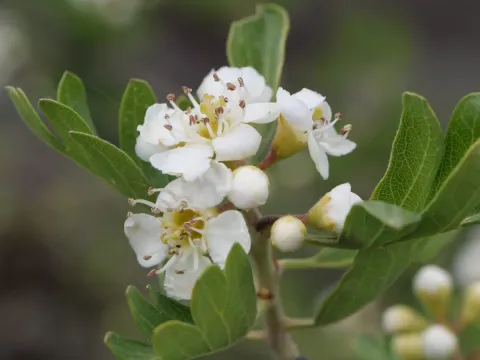
Azarole hawthorn
Crataegus azarolus
Azarole hawthorn is typically propagated through seeds or vegetatively by grafting onto more hardy rootstocks of common hawthorn. Sowing is usually performed in autumn, as the seeds require a long period of stratification in cold temperatures to break dormancy.
What the section contains
Azarole hawthorn
When propagating via seeds, germination may only occur in the second year, which is why pre-treatment in moist sand is recommended. Spring sowing requires artificial stratification for 3–4 months at approximately +5 degrees Celsius to ensure successful emergence.
The optimal time for transplanting nursery-grown trees to their permanent location is in early spring before sap flow begins or in autumn after leaf fall. A spacing of 3–4 meters between plants is essential to provide adequate air circulation and sunlight for the canopy.
Young plants require regular watering and weed control during their first two years to establish a strong root system. Formative pruning should be implemented early on to establish a balanced branch structure, facilitating future maintenance and harvesting operations.
In commercial orchards, grafting or budding onto local rootstocks is the preferred method to accelerate fruit production. This technique allows the plant to reach the fruiting stage as early as 3–4 years after grafting, compared to a much longer wait for seedlings.
Azarole hawthorn is a heat-loving plant native to the Mediterranean region, performing best in areas with mild climates and long growing seasons. It thrives in sunny, well-lit locations and requires protection from harsh, drying winds to achieve its full potential.
The crop prefers fertile, well-drained loamy soils with a neutral to slightly alkaline pH. The plant is sensitive to waterlogging, making sites with high water tables unsuitable, as excess moisture can easily lead to root rot and other physiological stressors.
While the tree displays moderate drought tolerance, regular irrigation is vital during the flowering stage and fruit set to maximize yield and fruit size. Inadequate water during these critical periods often results in smaller, inferior fruit quality.
In temperate climates, young azarole hawthorn trees require winter protection, as their frost tolerance is generally lower than that of the common hawthorn. Mature trees can survive short-term temperature drops to -15...-18 degrees Celsius, provided they are in good health.
Agronomic management includes annual fertilization with complex mineral blends, particularly phosphorus and potassium, to enhance winter hardiness and fruit quality. Organic matter like compost or well-rotted manure should be applied biennially to maintain soil fertility.
Yield in azarole hawthorn depends on the age of the tree and the effectiveness of management practices. A healthy, mature tree can produce between 15 and 30 kilograms of flavorful, edible fruit, which is highly regarded for its unique, apple-like texture and taste.
The fruit of this species is larger than most other hawthorns and contains significant amounts of pectins, sugars, and vitamins. These characteristics make the crop a valuable resource for both fresh market consumption and industrial food processing.
Fruit production can be slightly biennial; however, consistent pruning and adequate irrigation help maintain stable annual yields. Interplanting with compatible varieties acts as a pollinator, significantly increasing fruit set and overall productivity per hectare.
Maturation is often staggered, requiring multiple passes during harvest to ensure all fruit is picked at the peak of ripeness. Trees typically enter their peak production phase at 7–10 years of age and can remain productive for several decades with proper care.
Yield quality is heavily dependent on sunlight exposure throughout the growing season. Trees located in shaded areas produce smaller fruits with lower sugar content, which reduces their commercial value and overall marketability for fresh consumption.
Azarole hawthorn is susceptible to diseases common to the Rosaceae family. Powdery mildew is a major concern, manifesting as a white fungal coating on leaves and young shoots during hot, humid weather, which can stunt the tree’s overall growth.
Leaf rust is another frequent issue, often spreading from nearby conifers like juniper. Effective management relies on the removal of infected plant debris and the application of fungicides during the early spring to break the infection cycle.
Pests such as aphids and leaf rollers pose significant risks, as they target foliage and young buds, draining the tree's energy. Insecticide applications are advised before the flowering stage and after the harvest to maintain tree vigor without harming pollinators.
Fire blight is a severe threat that causes sudden wilting and blackening of branches. Management includes strict sanitary pruning to remove affected tissue well into the healthy wood, followed by thorough disinfection of all pruning tools to prevent further spread.
To reduce disease and pest pressure, growers should maintain optimal orchard density, perform annual crown thinning to improve airflow, and avoid excessive nitrogen fertilization, which encourages rapid, succulent growth that is more attractive to pests.
Harvesting azarole hawthorn fruits begins as they shift color to yellow, orange, or red, typically occurring between late September and October. It is crucial to pick only fully ripe fruits to ensure they possess the best flavor and texture profile.
Because the fruit pulp is relatively delicate, hand harvesting in dry conditions is the best approach to avoid bruising. Over-ripening on the tree should be avoided, as the fruits can become excessively soft and lose their commercial shelf life.
For long-term storage, fruits should be placed in shallow containers to prevent damage during transport. In a cool storage environment at +2...+4 degrees Celsius, fresh fruits can maintain their quality for approximately 2–3 weeks.
A portion of the harvest is commonly dried, as the fruits are ideal for jams, compotes, and medicinal infusions. Drying should be performed in controlled dehydrators at temperatures not exceeding 50 degrees to preserve the delicate vitamin content.
Industrial uses include processing the fruit into flour or pastes, which are popular in Mediterranean cuisine. Due to their high nutrient density, the fruits are also highly valued in the pharmaceutical industry for the production of health supplements.