
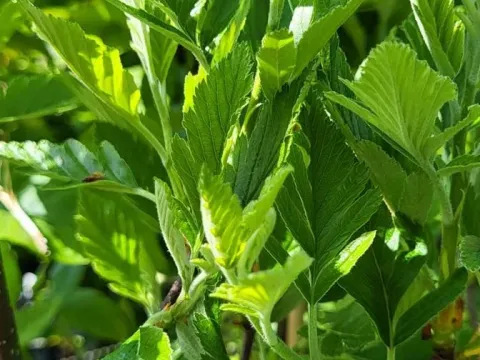
Arran whitebeam
Sorbus arranensis
The Arran whitebeam (Sorbus arranensis) is a unique member of the Rosaceae family, endemic to the Isle of Arran in Scotland. It is highly valued in horticultural circles as a distinct ornamental tree with specific foliage morphology and a graceful growth habit.
What the section contains
Arran whitebeam
This species thrives in temperate maritime climates, preferring environments with consistent moisture and protection from extreme temperature shifts. Its natural adaptation to island conditions dictates a preference for milder growing seasons.
Ideal soil conditions involve well-drained, fertile substrates with a near-neutral pH. Proper soil structure is essential to prevent waterlogging, which the root system of this species cannot tolerate under intensive cultivation.
Arran whitebeam requires full sun exposure to maintain its characteristic compact crown shape and ensure healthy flowering and fruiting. Partial shade may be tolerated, but it typically results in a less dense branching structure.
Agricultural management requires consistent mulching to maintain soil moisture levels and light pruning to encourage strong primary branch formation. Young trees benefit significantly from wind protection until fully established in the landscape.
The primary health concerns include fungal infections such as apple scab and various leaf spots, which are facilitated by high humidity and poor air circulation around the tree canopy.
Insect pests, including aphids and the mountain ash sawfly, are common threats that can compromise the health of developing buds and leaves, necessitating monitoring throughout the spring and early summer.
Preventive maintenance involves regular removal of deadwood and clearing debris from beneath the tree to minimize the overwintering sites for fungal spores and harmful insect larvae.
Integrated pest management strategies should be applied if localized outbreaks occur, focusing on environmentally sound treatments to protect the tree's health without disrupting the local ecosystem.
Given its status as a rare species, vigilance regarding overall tree health is paramount to ensure longevity and resilience against environmental stresses and potential opportunistic pathogens.