
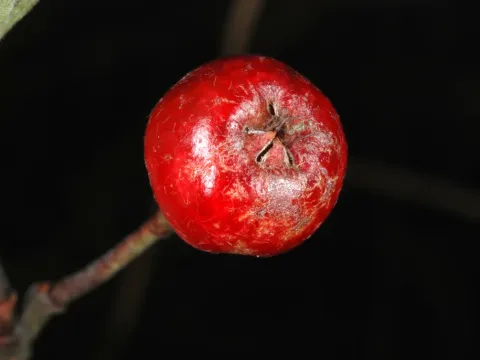
Aronia
Aronia
Aronia, commonly known as black chokeberry (Aronia melanocarpa), is a deciduous shrub belonging to the Rosaceae family. Native to North America, this plant is valued for its hardiness and versatility in landscape design and commercial farming.
What the section contains

Aronia
The shrub is exceptionally winter-hardy and adapts well to various climatic zones, making it a reliable choice for cold regions. It thrives in full sun, which is essential for maximizing fruit sugar content and overall plant vigor.
Aronia prefers well-drained, fertile soil, though it is remarkably tolerant of moisture-heavy areas and different pH levels. Its strong root system makes it useful for soil erosion control on slopes or uneven terrain.
For optimal growth, ensure the planting site is cleared of aggressive weeds. Adding organic compost during the initial planting phase helps establish a strong foundation, allowing the shrub to mature efficiently over several seasons.
Care practices include maintaining a layer of mulch around the base to conserve moisture and regulate soil temperature. Since the shrub naturally sends up suckers, it is often necessary to prune these to maintain a desired shape and encourage berry production.
Aronia plants typically begin to yield fruits by their third or fourth year after planting. A mature, well-maintained shrub can produce significant quantities of berries, often ranging from 5 to 10 kilograms per bush annually.
The berries ripen in clusters, which allows for efficient harvesting. The plant is highly productive and is increasingly cultivated for its health-promoting properties, as the berries are rich in antioxidants, vitamins, and polyphenols.
Commercial yields can be maximized by consistent irrigation during the fruit-set phase. Drought stress during this period can lead to smaller berries and lower juice content, which may negatively impact the processing value of the harvest.
To keep yields high, a regular pruning schedule is recommended. Focusing on removing the oldest branches encourages younger, more productive wood to develop, ensuring the shrub remains in its peak production phase for years.
The harvest is prized for both fresh consumption (usually processed) and industrial use. Its juice is widely used in the food industry for its natural coloring properties and deep, astringent flavor profile.
While Aronia is known for its robustness and natural resistance to many pests, it can still face challenges such as powdery mildew or fungal leaf spots. Good air circulation through proper pruning is the best preventive measure.
Occasional infestations of aphids or leaf-feeding insects may occur. Monitoring the plants in spring and early summer allows for timely intervention if populations exceed acceptable economic thresholds for the crop.
Implementing a balanced nutrient program helps the plant maintain its natural defense systems. Avoid excessive nitrogen fertilization, as it can promote succulent growth that is more susceptible to sap-sucking pests.
Hygiene in the garden is essential to prevent the spread of diseases. Clearing away fallen foliage and infected branches during winter dormancy significantly reduces the risk of pathogens overwintering in the soil or plant debris.
In case of severe outbreaks, certified horticultural oils or organic insecticidal soaps can be applied. Always follow label instructions to ensure the safety of pollinators and other beneficial insects present in the garden ecosystem.
Harvesting usually takes place in late summer or early autumn once the berries turn a deep, glossy black. The characteristic waxy bloom on the skin indicates that the fruit has reached its peak maturity and sugar concentration.
Berries are best harvested in dry weather to prevent moisture-related rot during storage. Using sharp pruning shears, gardeners can easily remove the clusters from the branches without causing mechanical damage to the shrub.
Post-harvest, the berries have excellent shelf life due to their firm skin. They can be stored in cool, ventilated conditions for several days or processed immediately to extract juice or create fruit concentrates.
Freezing is the most common home preservation method, as it maintains the nutritional value and structure of the berries. They can also be dried to be used in herbal teas or as nutritious additives to various culinary dishes.
Large-scale growers often utilize mechanical harvesting equipment designed for berry crops. This ensures efficiency and lowers costs, making Aronia a highly sustainable option for modern agricultural systems.