
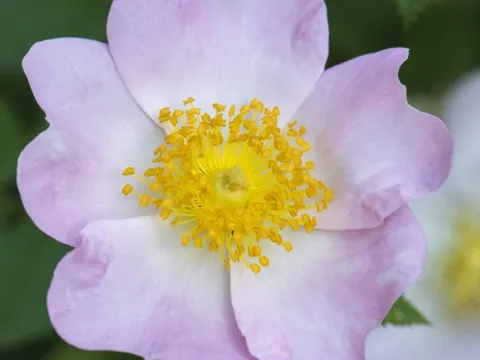
Richard's Rose
Rosa richardii
Richard's Rose, scientifically known as Rosa richardii, is an ancient member of the Rosaceae family. Often referred to as the Holy Rose, it carries a deep historical legacy, having been cultivated for centuries within religious sites and traditional herb gardens across the Mediterranean region.
What the section contains
Richard's Rose
The species likely originated in Ethiopia or the Middle East. It thrives in temperate climates that offer a balance between sunny days and mild seasonal changes. While it shows some resilience, it requires a sheltered position to protect its delicate structure from extreme winter cold or intense wind.
Regarding soil requirements, this rose prefers fertile, well-draining loam. It is particularly sensitive to waterlogged conditions, which can lead to root rot. Providing a growing site that ensures efficient drainage is crucial for maintaining the plant's health and vitality throughout the growing season.
Agrotechnical care involves consistent pruning to remove deadwood and encourage vigorous growth. Proper ventilation is essential for this species to ensure that the foliage dries quickly after rain, which significantly reduces the likelihood of fungal colonization in the dense canopy.
In terms of usage, Richard's Rose is primarily valued by collectors and conservationists. Due to its status as a historical species, it serves as a genetic link to the past, making it a subject of great interest in botanical research and traditional landscape design projects.
Powdery mildew represents a significant threat to Richard's Rose, particularly when humidity levels remain high for extended periods. Ensuring proper spacing between plants and adequate air circulation is the most effective preventative measure against this common fungal infection.
Aphids are frequent pests that target the soft, emerging growth in the spring. If left unmanaged, their feeding can deform new shoots and reduce the overall aesthetic appeal of the bush. Manual removal or mild organic treatments are often sufficient for control.
Black spot is another fungal concern that can cause premature defoliation. It is recommended to gather and dispose of fallen leaves regularly, as these serve as the primary reservoir for fungal spores during the dormant winter months, potentially re-infecting the plant next spring.
Spider mites can become a nuisance during hot, dry spells. They thrive in environments where the plant is already stressed, so consistent moisture levels and misting during dry periods can help mitigate the risk of infestation by these small arachnids.
Maintaining the plant's overall health through balanced fertilization and stress-free cultivation helps Richard's Rose resist these common pressures. A strong, well-nourished plant is naturally better equipped to withstand environmental stress and minor pest attacks without chemical intervention.