
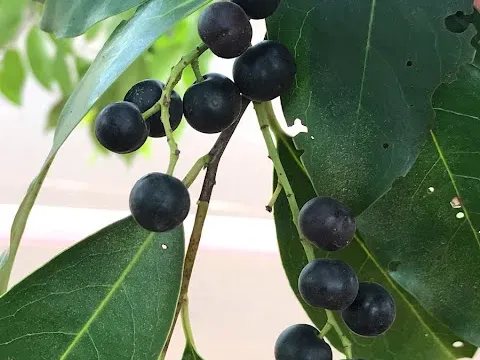
Sellow cherry
Prunus sellowii
The Sellow cherry, scientifically classified as Prunus sellowii, is a woody plant belonging to the Rosaceae family. This species possesses unique biological traits that define its requirements for successful development in agricultural settings.
What the section contains
Sellow cherry
The native range of this species is primarily located in South American regions, including parts of Brazil. It is adapted to moderate climatic conditions and lacks tolerance for severe frost, which limits its primary cultivation area to subtropical and tropical latitudes.
Prunus sellowii requires well-drained, fertile soils with a neutral to slightly acidic pH for optimal growth. It is sensitive to waterlogging, necessitating the selection of sites with excellent water management to prevent root rot and ensure plant longevity.
Regarding cultural requirements, this plant thrives in areas with full sun exposure, which is essential for healthy branching and fruit ripening. It should be situated in locations sheltered from harsh winds to facilitate pollination and minimize physiological stress on the tree.
Maintenance practices involve structural and sanitary pruning to manage canopy density and airflow. Consistent irrigation during dry seasons is vital to maintain vigor, as water stress significantly impacts the growth rate and overall productive capacity of the cherry tree.
The utility of Prunus sellowii is mainly focused on regional horticultural usage. The fruits have distinct culinary properties, making them suitable for fresh consumption or various culinary preparations, including preserves and artisanal food products.
Yield potential is highly dependent on the quality of agricultural care and environmental conditions. With proper orchard management, including fertilization and stress control, the tree can achieve consistent fruit sets suitable for local markets and personal use.
As a member of the Rosaceae family, Sellow cherry is susceptible to common fungal diseases, particularly under conditions of high humidity. Leaf spots and fruit rots are potential concerns that require integrated pest and disease management strategies to mitigate damage.
Pest issues often include sap-sucking insects like aphids, which can stunt the development of new growth. Maintaining a clean orchard environment and monitoring for early infestation signs allows for efficient management and ensures the tree remains healthy and productive.