
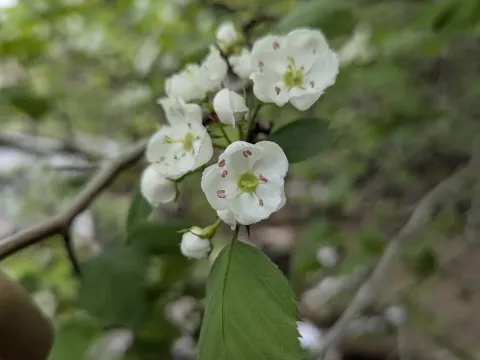
Scarlet hawthorn
Crataegus coccinea
Sowing seeds of Scarlet hawthorn is best performed in the autumn, immediately after the fruits have fully ripened. The seeds require a prolonged period of stratification to break dormancy, which occurs naturally during the winter months when sown in the ground.
What the section contains
Scarlet hawthorn
If spring sowing is preferred, seeds must be artificially stratified. This involves keeping them in a cold, moist environment for 3 to 6 months prior to planting to ensure a successful germination rate.
The seeds should be planted at a depth of approximately 2–3 centimeters. Maintaining consistent moisture in the seedbed is crucial during the first few weeks to prevent the embryo from drying out.
Seedlings develop slowly during their first year of growth. Providing a nutrient-rich, well-drained substrate helps young plants establish a stronger root system before being transplanted to their permanent location.
Vegetative propagation, such as grafting or taking stem cuttings, is an alternative method to preserve specific cultivar traits. These methods are typically more efficient for commercial growers looking to establish uniform plantations.
Scarlet hawthorn is a deciduous shrub or small tree belonging to the Rosaceae family. It is recognized for its impressive cold hardiness, making it suitable for a variety of northern climates and diverse soil conditions.
The plant thrives in full sun exposure. While it can tolerate partial shade, maximum flowering and fruit production are achieved when the plant receives direct sunlight for at least six hours a day.
Regarding soil preferences, it is adaptable but performs best in fertile, loamy soils that offer good drainage. It is relatively tolerant of various pH levels, though neutral to slightly acidic conditions are preferred.
Once established, the Scarlet hawthorn displays significant drought tolerance due to its deep and extensive root system. This trait makes it a low-maintenance choice for landscaping and hedges.
Proper pruning is essential for maintaining the health and aesthetics of the plant. Regular removal of dead or crossing branches promotes better airflow within the canopy, which in turn reduces the risk of fungal infections.
The yield of Scarlet hawthorn is highly dependent on the age of the shrub and the amount of sunlight it receives. The fruits reach maturity in late summer or early autumn, turning a vibrant scarlet color.
The berries are large, spherical, and feature a mealy yet flavorful pulp. They are highly sought after for processing into jams, jellies, and traditional medicinal tinctures rich in bioflavonoids.
Beyond culinary use, the plant is valued for its nutritional profile. It is commonly used to support cardiovascular health and is considered an essential component of traditional herbal remedies.
Consistent fertilization with organic or balanced mineral fertilizers ensures stable fruit production over many years. Proper care during the flowering phase can significantly impact the quantity of the final harvest.
Mature specimens can yield a substantial amount of fruit annually, making them a productive addition to edible landscaping. The fruit remains on the branches for some time, allowing for a flexible harvesting schedule.
Scarlet hawthorn is susceptible to various fungal pathogens, with powdery mildew being the most common concern. Improving air circulation through strategic pruning is the best preventive measure.
Aphids can frequently infest the young shoots in the spring, causing leaf curling and potential stunted growth. Early detection and the use of appropriate insecticidal soaps can mitigate these pest issues.
Leaf rust is another potential threat, especially in humid climates. Utilizing copper-based fungicides during the early stages of growth helps protect the foliage from developing severe infections.
Insects like leafrollers or weevils can damage flower buds, potentially reducing the overall yield. An integrated pest management approach, including monitoring and biological controls, is highly recommended.
- Regular inspection of the foliage for signs of pests or disease.
- Sanitary pruning to remove diseased branches.
- Ensuring proper spacing to prevent excessive humidity around the canopy.
Harvesting Scarlet hawthorn is typically done by hand once the fruits are fully colored and slightly soft to the touch. It is best to harvest on a dry day to prevent moisture-related spoilage.
Drying is the most effective method for long-term storage. Fruits should be dried in a well-ventilated area or a specialized dehydrator at temperatures below 50 degrees Celsius to retain their nutrients.
Freezing is also a viable option for those who wish to use the fruit for culinary purposes throughout the winter. Simply wash, dry, and remove the stems before placing the berries in freezer-safe bags.
Caution must be exercised during the harvest due to the sharp thorns present on the branches. Wearing protective gloves is strongly advised to prevent injury while picking the fruits.
After harvesting, the fruit should be processed or dried promptly to maintain high quality and prevent rapid degradation caused by the high sugar content of the berries.