
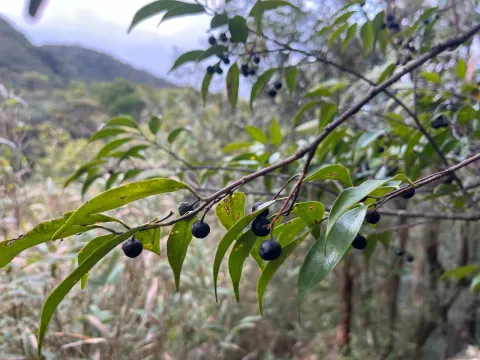
Dark-spotted cherry
Prunus phaeosticta
Prunus phaeosticta, commonly known as the dark-spotted cherry, is a member of the Rosaceae family. It is an evergreen to semi-evergreen tree that can grow up to 15 meters in height, exhibiting a robust and expansive growth habit in its natural subtropical environment.
What the section contains
Dark-spotted cherry
The native distribution of this species covers parts of Southern China, Vietnam, and Northern India. It is highly adapted to humid subtropical climates where mild winters and consistent moisture support its vigorous vegetative development throughout the year.
Cultivation requires well-drained, fertile soil, ideally with a slightly acidic to neutral pH. The species is highly intolerant of waterlogged soil conditions, which can lead to rapid root decline and susceptibility to soil-borne pathogens.
Regarding light requirements, this species thrives in locations that offer partial to full sun exposure. While adaptable, young saplings benefit from light shade to protect them from intense midday heat, while mature trees require full sunlight to maximize fruit production.
Agronomic management involves regular maintenance of soil fertility through organic mulching and controlled irrigation during dry intervals. Due to its evergreen nature, the tree maintains an active physiological state that requires balanced nutrient uptake throughout the growing season.
The fruit of Prunus phaeosticta is utilized primarily for local consumption and artisanal processing. Its unique flavor profile makes it suitable for producing jams, jellies, and traditional fermented beverages in its regions of origin.
Beyond its value as a fruit tree, the timber of this species is valued for its density and fine texture, occasionally being utilized in local woodworking. This dual-purpose utility enhances its appeal for integrated agroforestry systems.
Harvesting is performed manually to ensure the integrity of the delicate fruits. Given the asynchronous ripening process typical of the species, growers often schedule multiple picking rounds to gather the crop at its peak nutritional and flavor maturity.
Post-harvest handling is critical for maintaining fruit quality. Rapid cooling after harvesting helps extend the shelf life and prevents the enzymatic degradation of the fruit flesh, allowing for longer market availability.
Research into the phytochemical properties of these fruits suggests potential applications in the health food industry, as they contain significant concentrations of antioxidants and polyphenols beneficial for human nutrition.
The primary pathological concerns include fungal infections such as leaf spot, which are exacerbated by high humidity. Implementing a preventive spraying program with copper-based fungicides during the early spring is a standard practice to mitigate these risks.
Insect pests, specifically aphids and scale insects, frequently pose a challenge by colonizing new leaf flushes. Integrated Pest Management (IPM) strategies, utilizing natural predators or soaps, are preferred to maintain the ecological balance of the orchard.
Root system health is vital, as excessive moisture can trigger bacterial decay. Growers must ensure that site selection includes adequate slope or drainage modifications to prevent water accumulation near the base of the trunk.
Wind damage can affect the crown structure, especially during periods of heavy fruit load. Proper pruning techniques to create a strong, open-center canopy help distribute weight evenly and minimize branch breakage during inclement weather.
Sanitary pruning—the systematic removal of dead, damaged, or diseased wood—remains the most effective cultural practice for disease control. All major pruning cuts should be sealed with specialized horticultural paste to prevent pathogen entry points.