
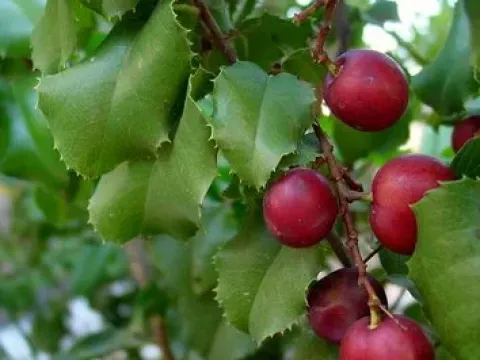
Cyclamen-flowered plum
Prunus cyclamina
The Cyclamen-flowered plum (Prunus cyclamina) is a perennial woody plant belonging to the Rosaceae family. It is native to the Hubei province of China, where it grows naturally in sub-tropical woodland environments, often found in the understory of dense forests.
What the section contains
Cyclamen-flowered plum
Botanically, the species is characterized by its distinct leaf morphology and slender growth habit. Unlike standard commercial plum cultivars, this tree exhibits a slower rate of development, which makes it a unique subject for botanical studies and specific horticultural preservation projects.
Regarding climate and soil requirements, Prunus cyclamina demands well-draining, humus-rich soil that mimics the forest floor environment. It performs best in areas with high humidity and protection from extreme temperatures, as it is naturally adapted to a mild sub-tropical climate.
Cultivation practices for this species are limited to specialized nurseries and arboretums. Due to its sensitivity to frost and environmental stress, it is generally not suitable for large-scale open-field orchard production in colder northern latitudes without protected structures.
The economic and research value of this plant lies primarily in its genetic potential. It is utilized by breeders as a donor of traits for pest resistance and environmental adaptability, helping to diversify the gene pool of cultivated Prunus species used in modern agriculture.
Like other stone fruits, this species is susceptible to various fungal pathogens, including brown rot and shot-hole disease. Regular monitoring and appropriate integrated pest management strategies are necessary to protect the plant from common pests like aphids and borers that frequently affect Prunus species.