
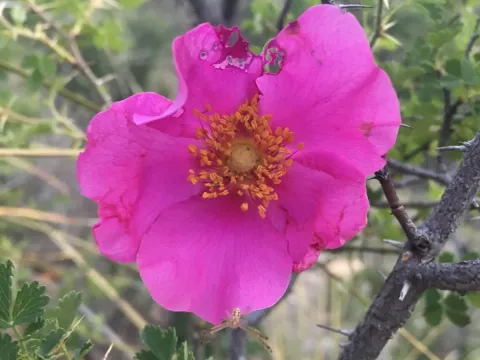
Desert rose (Rosa stellata)
Rosa stellata
Rosa stellata, commonly known as the desert rose, is a member of the Rosaceae family. This species is native to dry, arid environments and reproduces via seeds or root suckers.
What the section contains
Desert rose (Rosa stellata)
Seed propagation is the primary method in controlled environments, which necessitates cold stratification for several months to break seed dormancy.
The optimal time for sowing is during the late winter months, allowing the seedlings to establish a strong root system before the onset of summer heat.
Vegetative propagation via root cuttings is also possible and is generally conducted in early spring before the plant enters its active growth phase.
Proper sanitation of the growing media is crucial to prevent damping-off, a common issue when germinating seeds of wild rose species.
This plant is endemic to the arid regions of the Southwestern United States, thriving in areas with high solar radiation and low relative humidity.
The ideal soil profile for Rosa stellata consists of well-drained, gritty, or rocky substrates that ensure no standing water remains around the root crown.
As a true xerophyte, the plant shows remarkable tolerance to drought once established, requiring deep but infrequent watering during the growing season.
It performs best in full sun exposure, which is necessary to maintain the compact growth habit and promote the production of its signature stellate flowers.
The plant demonstrates significant hardiness to temperature fluctuations, although protection from excessive moisture during winter is critical for survival.
Aphids are the most frequent insect pests, often attacking the tender growth points and buds of the plant, which can significantly reduce flower quality.
Powdery mildew may occur if the plant is grown in environments with poor air circulation or consistently high humidity during the evening hours.
Spider mites are a persistent threat in arid climates, particularly when the plant experiences heat stress or inadequate moisture levels during the peak of summer.
Leaf spot fungi can lead to premature defoliation if conditions allow for prolonged moisture on the foliage, necessitating regular canopy management.
Effective management strategies include maintaining proper spacing between plants and utilizing selective pruning to improve airflow and reduce humidity levels.