
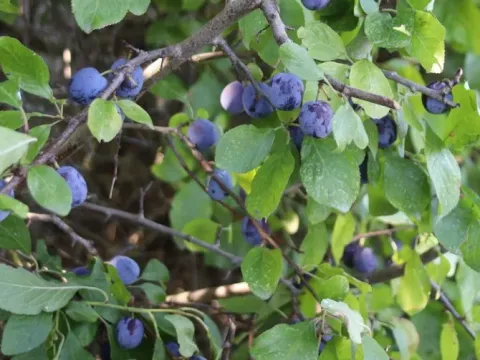
Damson plum
Prunus damascena
The Damson plum (Prunus damascena) is a member of the Rosaceae family. This traditional fruit crop is widely believed to have originated in the Near East, with historical links to the region around Damascus, where it has been cultivated for centuries due to its resilience.
What the section contains
Damson plum
The tree typically grows as a small, bushy specimen, reaching heights of 4 to 6 meters. It is characterized by dense foliage and small, serrated leaves, making the tree an attractive addition to any orchard during its spring flowering stage.
Damson plums thrive in well-lit, sheltered locations. They prefer fertile, loamy or sandy-loam soils that offer excellent drainage, as the species is sensitive to waterlogged conditions which can lead to root system issues.
In terms of climate, the tree is quite hardy and adapts well to temperate zones. However, it requires a period of winter dormancy to fruit successfully, and it benefits from protection against strong winds that can damage the delicate blossoms in early spring.
Agrotechnical management includes regular pruning to maintain an open canopy, which promotes air circulation and light penetration. Applying organic fertilizers and consistent mulching around the root zone helps maintain optimal moisture and soil structure.
Damson fruits are known for their small, oval shape and a unique, tart, rich flavor that is highly prized in the culinary world. They are widely used for making jams, jellies, preserves, and traditional spirits due to their high pectin and acid content.
Yield capacity is influenced by pollination, as many Damson cultivars are partially self-fertile or self-sterile. Planting multiple compatible varieties in close proximity is recommended to ensure a high and consistent yield from each tree.
Fruit production typically begins 4 to 6 years after planting, depending on the rootstock used. A mature, healthy tree can produce significant annual harvests, making it a valuable crop for both domestic and small-scale commercial orchards.
During the fruit-setting stage, moisture management is critical. Consistent irrigation prevents fruit drop and ensures that the plums reach their optimal size and flavor profile before harvest time arrives.
The nutritional profile of the Damson plum includes a variety of vitamins and antioxidants. These fruits are valued not only for their taste but also for their health benefits, including digestive support and immune system boosting properties.
Common threats to Damson plums include fungal infections like brown rot and plum rust. These pathogens can severely affect the leaves and fruit, causing significant damage if left unmanaged, especially during humid and wet growing seasons.
Pests such as plum moth and aphids are frequently encountered. The larvae of the plum moth can bore into the fruit, rendering them unusable for fresh consumption, while aphids cause stunted growth and leaf curling.
Preventative measures involve maintaining orchard hygiene, such as removing mummified fruits and fallen leaves where pathogens overwinter. Pruning diseased wood and maintaining an open canopy are essential cultural practices.
Integrated pest management, including the use of pheromone traps and targeted insecticide applications at specific stages of plant development, is recommended to keep pest populations below the economic injury level.
- Applying winter washes to eliminate overwintering eggs on bark.
- Regular monitoring of canopy health to detect early signs of fungal growth.
- Encouraging natural predators such as ladybirds to control aphid populations.
Harvesting usually takes place once the fruit has fully developed its deep color and softened slightly. Careful hand-picking is preferred to preserve the integrity of the skin, especially for fruits intended for fresh market sale.
For culinary processing, Damson plums are often harvested when they reach full maturity, as this is when they possess the highest concentration of sugars and aromatic compounds required for high-quality jams and preserves.