
Damask rose
Rosa turcica
Description
Growing requirements
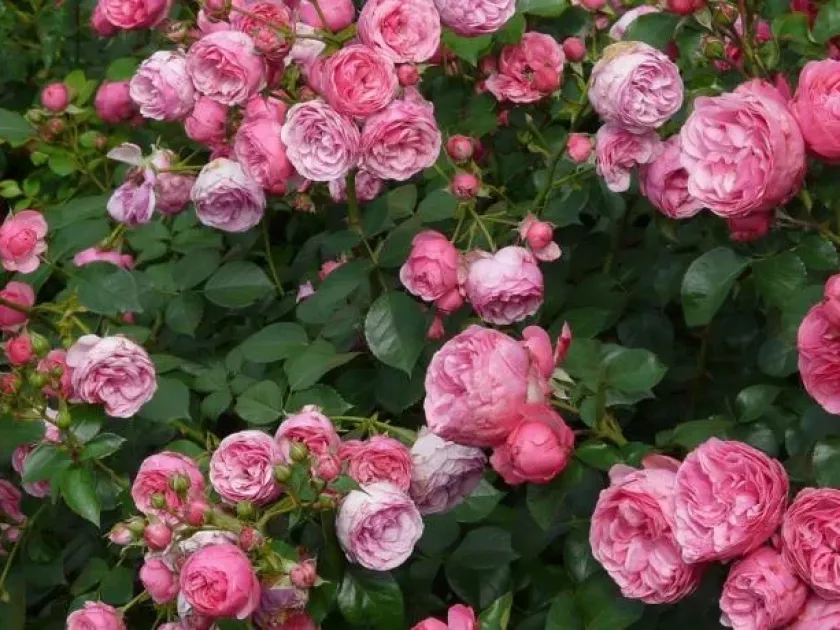
The Damask rose (Rosa damascena) is a perennial shrub belonging to the Rosaceae family, highly prized globally as a primary source for rose oil and attar. This deciduous shrub is characterized by its thorny stems and highly fragrant, clustered flowers, which are harvested extensively for commercial perfumery.
Originating from the Middle East, the Damask rose is now cultivated in specific climatic regions, including the "Rose Valleys" of Bulgaria, Turkey, and India. The plant thrives in temperate climates that provide cool nights and sunny days, which are essential for the accumulation of essential oils in the petals.
Soil requirements are strict: the plant necessitates well-drained, fertile, and slightly alkaline to neutral soil. Poor drainage can cause root rot, while overly sandy soils may fail to retain the moisture and nutrients required for the plant's robust development throughout its long vegetative cycle.
The agronomic management includes pruning practices conducted in early spring to eliminate dead wood and encourage vigorous new growth. Regular irrigation using drip systems is preferred to maintain consistent soil moisture levels without wetting the foliage, which helps to minimize the risk of opportunistic pathogens.
Economically, the Damask rose is a staple for the essential oil industry, where its petals are steam-distilled to produce high-value products. Beyond fragrance, the rose is utilized in culinary applications, traditional medicine for its digestive benefits, and the cosmetic industry for its skin-soothing properties.
Main diseases and pests
The most significant pathological threats include powdery mildew and black spot disease, which thrive in humid environments. To mitigate these risks, agricultural management must ensure adequate air circulation within the canopy through proper spacing and consistent canopy thinning techniques.
Pest management focuses on controlling aphids, spider mites, and rose sawflies. These insects can devastate flower quality by feeding on sap and tissue, so integrated pest management (IPM) practices, such as the introduction of natural predators or targeted organic pesticides, are often employed during the early season.
Harvesting
The harvesting of Damask rose is a meticulous manual process conducted at dawn before temperatures rise. Since the concentration of essential oil fluctuates with the heat of the sun, immediate collection and prompt processing are vital to ensure the highest yield and quality of the distilled oil.