
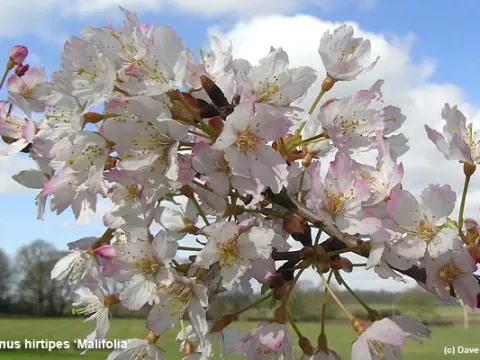
Prunus hirtipes
Prunus hirtipes
Prunus hirtipes is typically propagated through seed germination or by grafting onto compatible rootstocks of related Prunus species.
What the section contains
Prunus hirtipes
Seeds require a period of cold stratification to break dormancy, which mimics the natural winter conditions needed for successful germination in spring.
When grafting, nurserymen select vigorous rootstocks to ensure better disease resistance and adaptability of the scion to local soil conditions.
Planting of young saplings should occur during the dormant season, ideally in early spring before the buds begin to swell and active growth starts.
Adequate spacing between trees is crucial to allow for sufficient air circulation, which helps reduce the risk of humidity-related fungal issues.
This species, belonging to the Rosaceae family, is native to East Asia and is known for its distinct botanical characteristics in the genus Prunus.
Prunus hirtipes thrives in well-drained, fertile soil types and requires full sun exposure to produce optimal flowering and fruit development.
The tree prefers a moderate climate and performs best when sheltered from harsh, dry winds that can desiccate the tender foliage during the spring.
Regular maintenance, including proper mulching around the root zone, helps in moisture retention and suppresses competition from weeds.
Soil nutrient management is important, with a balanced application of fertilizers in early spring to support the energy-intensive process of fruit production.
The tree reaches maturity and starts fruiting several years after planting, with yields increasing as the tree develops a more complex scaffold system.
Productivity is highly dependent on effective pollination, which can be supported by maintaining a healthy local ecosystem for beneficial insects.
Pruning is essential to remove crossing or dead branches, which maximizes light penetration into the center of the canopy and boosts overall fruit set.
The fruit quality is generally high, making it a subject of interest for both local consumption and potential inclusion in breeding programs.
Consistent irrigation management during the fruit development stage ensures larger, juicier fruit and prevents premature fruit drop due to water stress.
Fungal diseases like monilinia blight and leaf spot are common threats, especially if the planting site suffers from poor ventilation and high humidity.
Integrated pest management strategies are recommended to keep populations of aphids and cherry fruit flies below the economic threshold level.
Sanitation practices, such as removing fallen leaves and infected fruit, are vital to breaking the life cycle of common pathogens found in Prunus species.
Monitoring the tree for signs of wood-boring insects is also important, as these can cause structural damage that weakens the tree over time.
- Monilinia blight
- Cherry leaf spot
- Aphids
- Cherry fruit fly
- Scale insects
Harvesting should be timed according to fruit maturity, usually identified by the deep color change and slight softening of the fruit flesh.
Picking by hand is the most recommended method to prevent bruising the delicate skin, which is essential for maintaining the market value of the fruit.
It is advisable to harvest early in the day, as cooler temperatures help extend the shelf life and reduce the respiration rate of the freshly picked fruit.
Carefully sorting the harvest ensures that any damaged or overripe fruit is separated, preventing the rapid spread of decay within storage containers.
Post-harvest handling involves keeping the produce in a cool, ventilated area or cold storage to preserve its flavor and nutritional profile.