
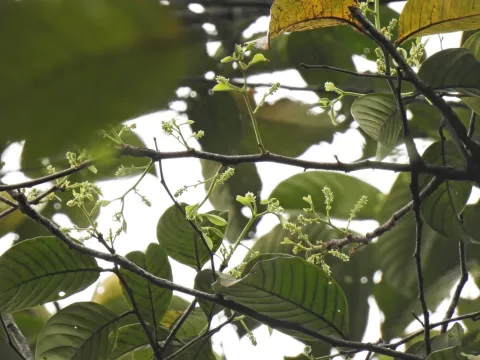
Prunus polystachya
Prunus polystachya
Prunus polystachya is a member of the Rosaceae family, notable for its unique botanical arrangement of flowers. Native to regions with mild climates, this species has adapted to specific ecological conditions that favor moderate humidity and fertile soil. Understanding its habitat is key to successful orchard establishment.
What the section contains
Prunus polystachya
The crop requires full sun exposure and well-draining soil to maintain plant vigor. It is particularly sensitive to waterlogging, which necessitates careful site selection and the potential use of raised beds in heavier soil types. Soil pH should ideally be managed within a slightly acidic to neutral range for optimal nutrient uptake.
Agricultural management involves routine pruning to maintain an open canopy structure, ensuring sunlight penetrates the inner branches. This practice not only improves fruit quality but also reduces humidity levels within the tree, which is essential for disease prevention. Nutritional programs must be balanced to support vegetative growth and fruit development.
Water management is critical, particularly during the fruit expansion phase. Drip irrigation systems are highly recommended to provide consistent moisture to the root zone without creating excess surface dampness. Mulching is another effective practice to stabilize soil temperature and retain moisture throughout the growing season.
The economic value of Prunus polystachya lies in both its fruit production and its potential use in nursery and landscape industries. The tree is recognized for its structural integrity, making it a viable candidate for various planting schemes in regions where environmental conditions are optimized for its growth.
Common phytopathological threats to Prunus polystachya include fungal pathogens that affect foliage and woody tissues. Diseases such as leaf spot and various rots can proliferate rapidly under humid conditions, requiring a proactive approach to fungicide application and site hygiene to manage infection risks.
Pest management focuses on controlling sap-sucking insects like aphids and mites, which can cause significant growth retardation. Regular scouting allows for early detection of these pests, enabling targeted treatment before the infestation reaches economic injury levels. Encouraging beneficial predatory insects is also a viable control strategy.
Sanitation practices, such as removing fallen leaves and pruning infected twigs, are essential to break the life cycle of many pathogens and pests. This reduces the primary inoculum present in the orchard for the following season. Maintaining tree health through proper fertilization is the best natural defense against attacks.
Chemical control measures should be applied according to local regulations and the specific growth stage of the tree. Rotating active ingredients in sprays is necessary to prevent the development of pest resistance. Always prioritize applications during periods of low pollinator activity to ensure orchard safety.
Monitoring the tree for signs of nutrient deficiencies is crucial, as weakened trees are significantly more susceptible to pest colonization. A comprehensive agronomic program should prioritize plant immunity through balanced macro and micronutrient supply, creating a robust and resilient productive system.