
Prunus fasciculata
Prunus fasciculata
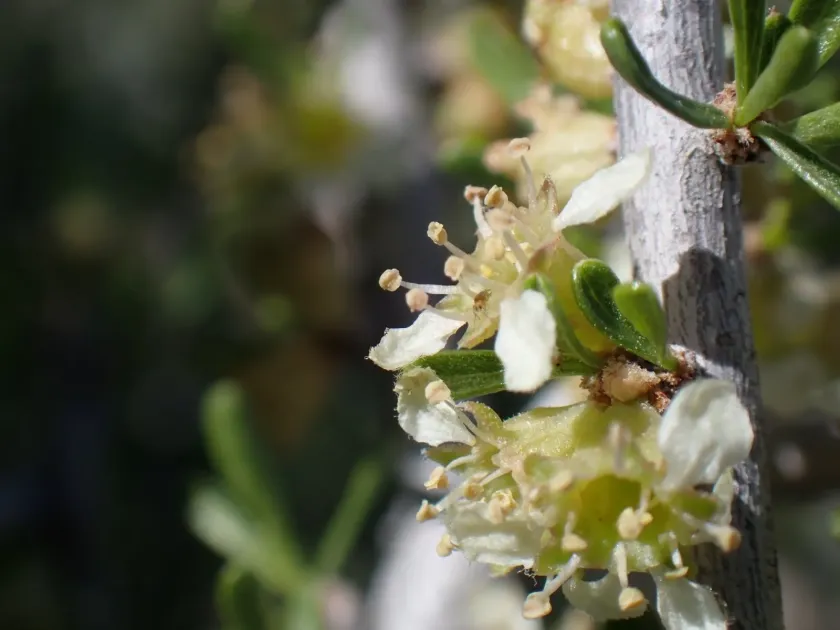
Description
Growing requirements
Prunus fasciculata, commonly known as the desert almond or desert peach, is a deciduous shrub belonging to the Rosaceae family. Native to the arid regions of the Southwestern United States and Northern Mexico, it is highly specialized for survival in extreme desert environments.
This shrub typically thrives in rocky, well-draining soils and is frequently found on slopes and in canyon environments. Its ability to tolerate low nutrient levels and limited water availability makes it an excellent candidate for xeriscaping and soil stabilization projects.
To ensure optimal performance, Prunus fasciculata requires full sun exposure throughout the day. It does not tolerate shade well, as reduced light intensity leads to sparse foliage and significantly decreases the abundance of its characteristic spring flowers.
The climate requirements for this plant are focused on high heat tolerance and the ability to withstand seasonal droughts. It is well-adapted to wide temperature fluctuations, showing high resilience even in areas with cold nights during the dormant season.
Agricultural management is relatively straightforward due to the species' hardy nature. Key cultivation practices include selecting sites with excellent natural drainage and avoiding any soil amendments that hold excessive moisture, which could jeopardize the plant's root health.
Main diseases and pests
The primary threats to Prunus fasciculata involve pathogens favored by excessive moisture and poor drainage. Root rots represent the most severe concern, often resulting from stagnant water accumulating around the root crown, which encourages fungal proliferation.
Powdery mildew may occur on the foliage if the shrub is planted in areas with poor airflow or high localized humidity. Maintaining adequate spacing between individual plants is crucial to ensure good air circulation and to minimize the risk of spreading fungal diseases.
Insect pests such as aphids can be problematic during the active spring growth phase. These pests primarily target tender young shoots and leaves, potentially causing stunted growth if infestations become severe enough to require direct intervention.
Leaf-chewing insects and occasional boring beetles can cause mechanical damage, though the shrub generally possesses strong natural recovery capabilities. Integrated Pest Management (IPM) strategies are recommended, prioritizing monitoring and early detection over widespread chemical applications.
Environmental stress, particularly prolonged flooding or waterlogging, serves as a catalyst for other disease outbreaks. By strictly adhering to xeriscaping principles and providing appropriate site conditions, most of these health issues can be effectively prevented.