
Prunus japonica
Prunus japonica
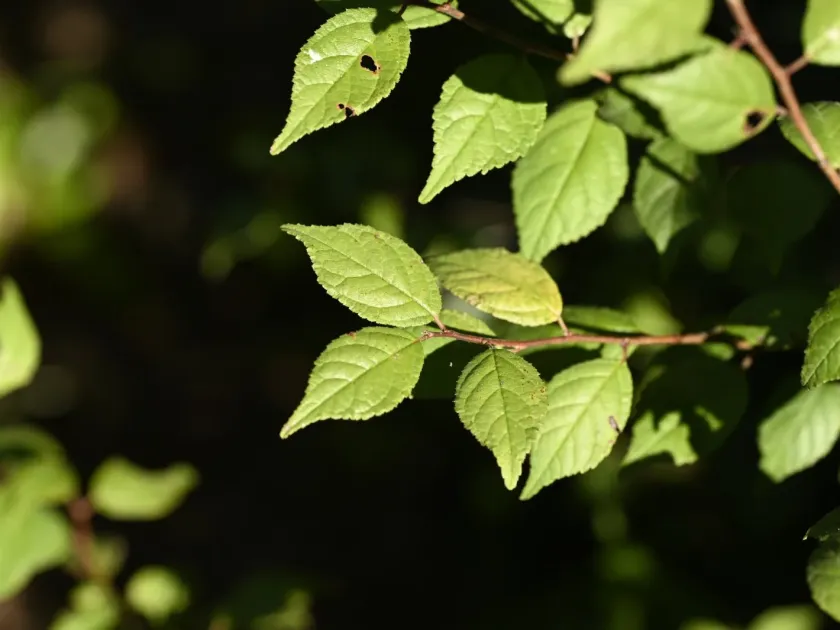
Description
Sowing dates
Sowing seeds of Prunus japonica is typically performed in the autumn, immediately after harvesting, as the seeds require a period of stratification in the soil. To ensure higher germination rates, seeds should be sown in prepared beds with loose, well-draining substrate.
For spring sowing, seeds must undergo artificial stratification for 3–4 months at temperatures between 0 and +5 degrees Celsius. It is crucial to maintain moderate moisture levels to prevent the seeds from drying out or rotting during this dormant phase.
Vegetative propagation via cuttings is the most effective method for preserving the specific cultivar traits. Softwood cuttings are taken in early summer and placed in greenhouses using rooting hormones to improve survival rates and root formation.
The optimal time for transplanting seedlings to their permanent garden location is early spring, before active sap flow begins. Planting holes should be prepared in advance by incorporating organic fertilizers to create a fertile base for the developing root system.
When selecting a planting site, it is important to avoid areas prone to strong winds. A spacing of 2–3 meters between individual bushes is recommended to ensure proper air circulation and sunlight exposure, which are vital for healthy growth.
Growing requirements
Prunus japonica, a member of the Rosaceae family, is a deciduous shrub that typically reaches a height of 1.5 to 2 meters. This species is well-adapted to temperate climates and demonstrates excellent hardiness against cold winter temperatures.
The plant thrives in fertile, well-drained loamy or sandy soils with a neutral pH. Proper drainage is critical, as stagnant water in the root zone is detrimental and can lead to root rot and other physiological issues if the soil remains waterlogged.
As a light-loving species, it requires a sunny location to ensure abundant flowering and high-quality fruit production. Insufficient exposure to sunlight results in leggy stems and significantly reduced yields in subsequent growing seasons.
Regular but moderate watering is necessary, especially during dry spells, although mature plants possess reasonable drought tolerance. It is essential to monitor soil moisture to prevent over-watering, which can be as harmful as drought.
Good agricultural practice includes annual pruning carried out in early spring, before the buds swell. Removing damaged, dead, or crowded branches allows for rejuvenation and helps maintain the desired aesthetic shape while promoting healthy new growth.
Yield
Prunus japonica is valued as both an ornamental and a fruit-bearing plant, producing small, edible, round-shaped fruits. Total yield is highly dependent on effective pollination and consistent maintenance throughout the active growing season.
Fruiting typically begins 3–4 years after planting the shrub. With proper care, the plant provides a reliable annual harvest, which is excellent for use in culinary preparations such as jams, jellies, compotes, and various homemade liqueurs.
Its primary agricultural use extends beyond fruit production to landscape architecture. Due to its compact size and prolific spring blooming, it serves as a stunning component for hedges and decorative borders in various garden designs.
The fruits are rich in anthocyanins and organic acids, offering significant nutritional value. Despite their characteristically tart flavor, they are highly sought after for homemade preserves and are often used in traditional health remedies.
To maximize yields, it is recommended to maintain soil fertility through potassium and phosphorus fertilization in late summer. This practice strengthens the woody tissues and prepares the plant for winter, leading to better fruit bud formation in the spring.
Main diseases and pests
The main threats to this crop include fungal infections, specifically Coccomyces blight and Monilinia brown rot. These pathogens can cause leaf spotting, flower blight, and twig dieback, potentially leading to significant yield loss if left unmanaged.
Proactive disease management involves timely application of copper-based fungicides and rigorous sanitation in the orchard. Removing fallen leaves and infected plant material is essential to reduce the inoculum load and prevent further spread.
Pests such as aphids and various weevils can cause significant damage to buds, flowers, and developing fruit. Regular scouting and monitoring allow for early detection, enabling gardeners to apply targeted, low-impact control methods to preserve the crop.
- Coccomyces blight (causes premature leaf drop).
- Monilinia blight (affects blossoms and young shoots).
- Aphids (deplete plant energy).
- Leaf rollers (deform leaves and affect photosynthesis).
Utilizing integrated pest management (IPM) strategies, which may include biological controls, helps maintain plant health while minimizing chemical residue on the fruit, ensuring a safer and more sustainable harvest for the gardener.
Harvesting
Harvesting usually takes place in the second half of summer when the berries attain a deep, mature color. Because ripening can be uneven, multiple harvests are often required to collect the fruit at the peak of its quality.
Fruits should be hand-picked with care to keep the stems intact, which improves their shelf life. Thin-skinned berries require delicate handling during harvest and transport to avoid bruising and juice loss, which can lead to rapid degradation.
Post-harvest, the fruit should be cooled immediately or processed without delay. Its acidity makes it perfect for preserving, as it pairs well with sugars to create a balanced flavor profile that captures the essence of the harvest.
Fresh consumption time is limited, so freezing or drying are preferred methods for storing the fruit for winter use. These techniques preserve the vitamins and minerals, allowing for year-round utility in various culinary applications.
Timely harvesting also benefits the overall health of the shrub by reducing the metabolic load on the branches, allowing the plant to redirect its energy reserves toward successful winter dormancy and the development of new buds for the next year.