
Prunus myrtifolia
Prunus myrtifolia
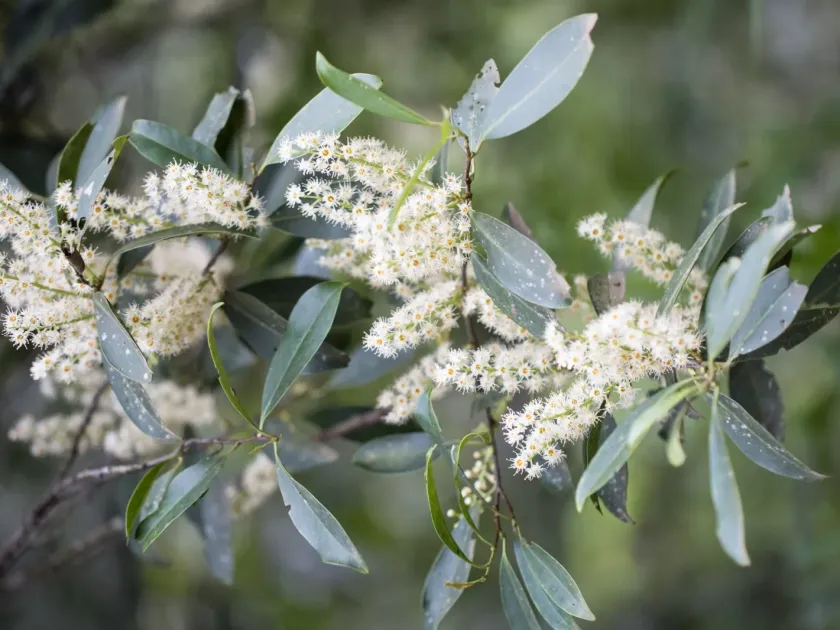
Description
Growing requirements
Prunus myrtifolia, commonly known as a member of the Rosaceae family, is an evergreen tree native to the tropical forests of the Americas. Unlike traditional temperate Prunus species, this plant is well-adapted to warm, humid environments found in regions spanning from Mexico to Brazil.
The tree thrives in well-drained, fertile soil that provides consistent moisture without becoming waterlogged. Ideal cultivation sites should offer protection from harsh winds and intense, drying currents that can damage the plant's characteristic leathery leaves.
Climate requirements strictly dictate that the species must be grown in frost-free zones. It prefers full sun for optimal canopy development but can tolerate filtered light in areas where heat intensity is extreme during mid-day hours.
Agrotechnical practices focus on maintaining soil fertility through the use of organic amendments. Regular but moderate irrigation is essential, especially during the establishment phase, to ensure that the root system remains healthy and active.
Pruning is performed primarily to maintain the aesthetic shape of the tree and to promote air circulation within the dense foliage, which is vital for preventing the accumulation of humidity and subsequent fungal issues.
Harvesting
The fruit of Prunus myrtifolia is a small drupe, typical of the genus, which turns dark upon reaching maturity. These fruits are edible and serve as a supplemental food source for local wildlife and communities residing within the tree's natural range.
Harvesting is labor-intensive as it is typically done by hand. Producers must monitor the maturation process closely, as the fruits ripen quickly and tend to become over-ripe, reducing their viability for storage or transport.
The timber of this tree species is noted for its density and durability. While not a primary source of commercial lumber, the wood has been utilized locally for small-scale construction, tools, and decorative woodworking projects.
Ecologically, the tree plays a significant role in its habitat by providing cover and food for various avian species. Its persistent green foliage makes it a desirable choice for landscaping in botanical gardens and tropical urban environments.
While formal breeding programs for Prunus myrtifolia are limited, there is potential for exploring its genetic traits to improve resistance to tropical pathogens or to enhance fruit quality in other related species through hybrid research.