
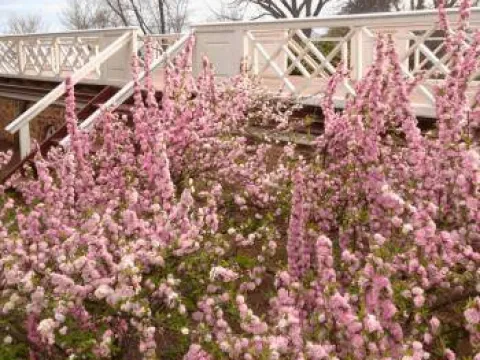
Prunus pilosa
Prunus pilosa
Prunus pilosa, commonly known as glandular cherry, is a deciduous shrub belonging to the Rosaceae family. Native to East Asia, this species is highly valued in horticulture for its ornamental properties and compact growth habit.
What the section contains
Prunus pilosa
The plant thrives in sunny locations with well-drained, fertile soil. It performs best in loamy or sandy soil types with a neutral to slightly acidic pH, ensuring that excess moisture does not accumulate around the root system.
Prunus pilosa is known for its cold hardiness, making it suitable for cultivation in various temperate climate zones. It requires protection from strong winds, especially during the early spring months to prevent damage to emerging buds.
Agrotechnical practices involve regular pruning to maintain an attractive shape and promote vigorous flowering. Young plants require consistent watering during the growing season, while mature specimens can withstand brief dry spells.
In landscaping, this shrub is utilized as an ornamental feature in borders, rock gardens, or as part of mixed hedges. Its ability to adapt to different settings makes it a popular choice for both urban and residential greening projects.
Like many members of the Prunus genus, Prunus pilosa is susceptible to common fungal infections such as shot hole disease and brown rot. These pathogens typically thrive in environments with high humidity and poor air circulation.
Common pests include aphids, scale insects, and fruit flies, which can damage foliage and stems. Infestations are often noticed through leaf discoloration or stunted shoot growth during the peak growing period.
Effective management includes maintaining plant hygiene by removing fallen leaves and pruning dead wood. This practice reduces the overwintering sites for fungal spores and potential pest populations.
Chemical control should be employed strategically using approved fungicides and insecticides. Application timing is critical, usually coinciding with the onset of the dormant season or immediately following the appearance of early symptoms.
Promoting overall plant vitality through balanced fertilization and correct soil management helps the shrub resist pest pressures and diseases naturally, ensuring it remains a decorative asset to the garden.