
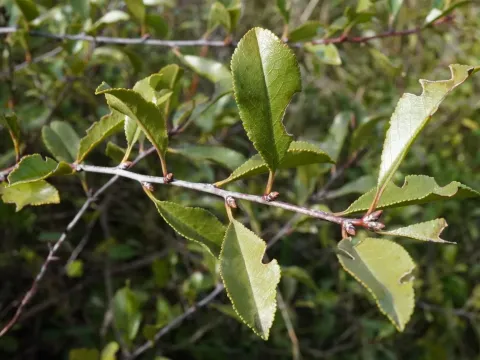
Prunus eminens
Prunus eminens
Prunus eminens, commonly known in botanical circles as a species related to the cherry family (Rosaceae), is a robust deciduous tree characterized by its cold tolerance and structural resilience. This species is often found in diverse habitats, adapting well to various temperate zones where extreme winter temperatures occur.
What the section contains
Prunus eminens
The cultivation of this plant requires well-drained, fertile soil, ideally with a slightly acidic to neutral pH balance. While the tree is quite adaptable to different soil textures, it thrives best in deep loams that allow for extensive root development. Proper drainage is essential, as stagnant water can lead to root asphyxiation and susceptibility to pathogens.
Light exposure is a critical factor for the vigor of Prunus eminens. It should be planted in areas receiving full sun for at least six to eight hours per day to ensure efficient photosynthesis and fruit bud differentiation. Wind protection can further improve the overall health of the tree in exposed locations.
Routine maintenance includes systematic pruning to encourage an open canopy structure, which facilitates airflow and reduces the micro-humidity that promotes fungal diseases. Fertilization should be focused on soil testing results, generally emphasizing phosphorus and potassium to boost reproductive growth.
Beyond its agricultural potential, this species is frequently used in landscape architecture for its aesthetic form and hardiness. Its ability to thrive in challenging environments makes it a valuable asset for both commercial orchards and ecological preservation projects.
Disease management is a cornerstone of maintaining Prunus eminens. Fungal pathogens such as Coccomyces hiemalis (leaf spot) can significantly affect the foliage, leading to premature leaf drop and reduced tree vitality if left unmanaged throughout the growing season.
Brown rot, caused by Monilinia species, poses a severe threat to blossoms and developing fruit. Growers must implement timely fungicide applications during the bloom period, especially when weather conditions are wet and humid, to prevent significant yield losses.
Insect pests such as aphids and the cherry fruit fly require diligent monitoring. Integrated Pest Management (IPM) strategies, including the use of sticky traps and the introduction of beneficial predator insects, are effective ways to suppress pest populations without excessive chemical intervention.
Bacterial canker is another concern that can lead to limb dieback and structural damage. Prevention relies on avoiding unnecessary wounds to the tree and ensuring that pruning is performed during dry, calm weather to minimize the entry points for bacteria.
Proactive care and early detection of symptoms are vital for ensuring the longevity of these trees. A comprehensive approach that includes seasonal cleanup, proper nutrient management, and targeted pest control will ensure the continued productivity and health of Prunus eminens.