
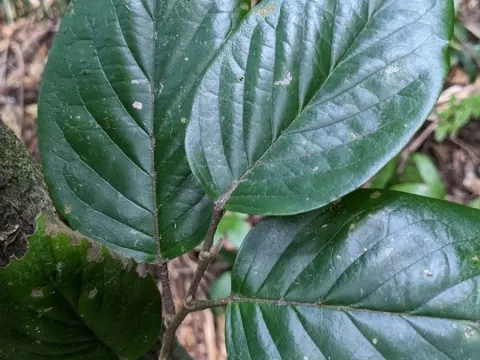
Prunus grisea
Prunus grisea
Prunus grisea is a woody species belonging to the Rosaceae family. It is native to the tropical regions of Southeast Asia, specifically found in forest environments on the Philippine archipelago, where it plays a role in the local ecosystem structure.
What the section contains
Prunus grisea
The plant thrives in humid tropical climates that do not experience significant seasonal temperature drops. It requires consistently high air humidity and a steady supply of moisture, making it sensitive to prolonged droughts or hot, dry winds that can cause severe leaf stress.
Soil requirements for Prunus grisea include deep, well-draining substrates rich in organic matter. While the species is somewhat adaptable, it performs best in neutral to slightly acidic loamy soils that prevent root rot while retaining sufficient nutrients for steady growth.
When selecting a site, it is crucial to ensure protection from excessive direct sun exposure during the seedling stage. As the tree matures, it can tolerate more light, but a semi-shaded environment generally promotes better canopy density and overall health.
Proper agricultural practices include light pruning to maintain a central leader and encourage better airflow through the branches. This management step is vital to prevent moisture accumulation within the canopy, which often leads to the development of fungal pathogens.
Economically, Prunus grisea is primarily managed for its high-quality timber, which is utilized in local woodworking and construction. While it produces small fruits, its primary agricultural contribution remains centered on its botanical role and woody resource potential.
Common threats to this species include leaf spot diseases exacerbated by high humidity. Fungal management focuses on maintaining good airflow and removing debris from the base of the tree to reduce spore survival rates during wet seasons.
Pests such as aphids and wood-boring beetles can affect Prunus grisea if the tree is already under environmental stress. Preventive care, including soil nutrition and avoiding drought, serves as the primary defense mechanism against pest infestations.