
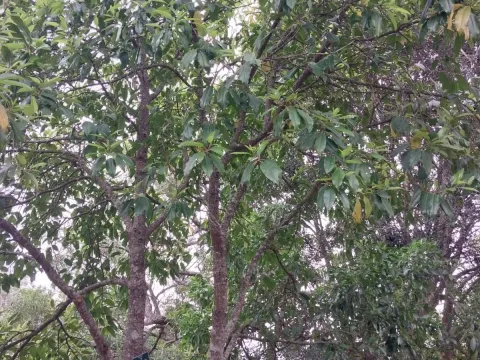
African cherry
Prunus africana
African cherry (Prunus africana) is a prominent species within the Rosaceae family, native to the Afromontane regions of sub-Saharan Africa. It is an evergreen tree that plays a critical role in both ecology and modern pharmaceutical medicine.
What the section contains
African cherry
The cultivation of this species requires deep, well-draining soils with high organic matter content. It thrives in high-altitude environments characterized by consistent rainfall and mild temperatures, making it a suitable candidate for specific agroforestry systems.
Regarding climatic requirements, the tree prefers locations with significant moisture throughout the year. While it is relatively robust once established, nursery-stage seedlings are sensitive to prolonged dry spells and require diligent watering schedules to ensure survival.
Agricultural techniques involve sowing seeds as soon as possible after harvest, as they possess recalcitrant characteristics and lose viability rapidly. Germination success is highest under controlled nursery conditions with high humidity and stabilized temperatures.
Economic utility focuses on the bark, which contains phytochemicals used globally to treat benign prostatic hyperplasia. Sustainable management plans are mandatory to ensure that extraction does not cause tree mortality, allowing for long-term production cycles.
The most significant threat to the African cherry is over-exploitation by uncontrolled harvesting. In industrial orchards, phytosanitary risks include fungal infections that target the bark if harvesting wounds are not managed correctly.
Insect pests, such as wood-boring beetles, can weaken the structure of the tree, especially if the specimen is already stressed by environmental factors. Regular inspection of the trunk integrity is essential for plantation health.
Root rot represents a danger on sites with poor drainage, which can lead to fungal outbreaks in the root system. Proper site selection and land preparation are key preventative measures against these issues.
The tree may also be susceptible to defoliating insects that interfere with photosynthesis during critical growth periods. Integrated pest management strategies, focusing on biological controls, are recommended for large-scale plantations.
Proper harvest technique, including strictly limited bark stripping, is not only an economic requirement but also a biological necessity to prevent secondary infections and ensure the tree's ability to regenerate its outer tissues.