
Alchemilla conglobata
Alchemilla conglobata
Alchemilla conglobata is a perennial herbaceous plant belonging to the Rosaceae family. It is native to temperate regions and is particularly well-adapted to mountainous and subalpine habitats across Eurasia.
What the section contains
Alchemilla conglobata
The crop thrives in well-drained, fertile soils with a neutral pH. It is highly valued for its cold hardiness, allowing it to grow effectively in regions with harsh winters and short, cool growing seasons.
In terms of agricultural requirements, it needs consistent moisture, although it does not tolerate waterlogged conditions. Adequate spacing is crucial to maintain root health and encourage steady development of the basal foliage.
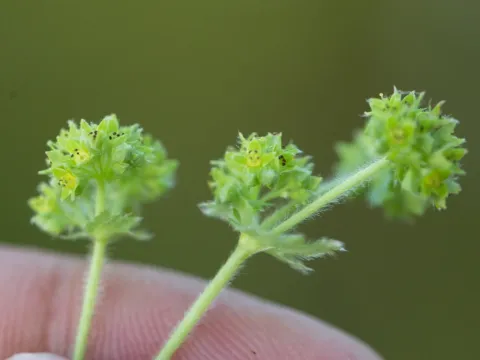
Botanically, the plant is characterized by its distinct, fan-shaped leaves arranged in a rosette and small, yellowish-green flowers gathered into dense, spherical clusters, from which it derives its species name.
Economically, this species is cultivated primarily for its medicinal properties, as the plant is rich in tannins and flavonoids. It is also utilized as a reliable forage plant in high-altitude pastures, supporting livestock health.
The primary agricultural threats to this crop include fungal infections such as powdery mildew, which often flourish in environments with poor air circulation and excessive humidity levels.
Pests such as aphids and leaf-eating beetles may cause damage to the foliage. Implementing integrated pest management (IPM) practices is essential for maintaining a healthy and productive crop.
Root rot and crown diseases are common issues in fields with poor drainage systems. Maintaining appropriate soil structure is vital for long-term survival and yield stability.
Regular monitoring of the fields during the growing season helps in the early detection of localized outbreaks, allowing for prompt intervention before widespread damage occurs.
Sustainable agricultural practices, such as crop rotation and the use of organic amendments, play a significant role in improving the natural resistance of Alchemilla conglobata to diseases.