
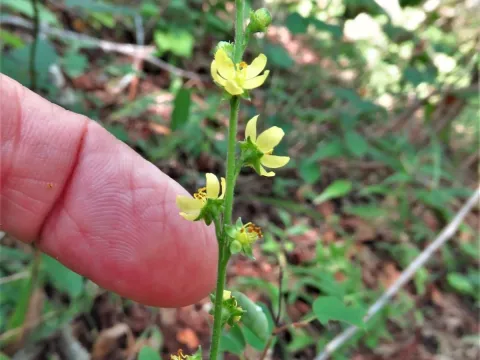
Agrimonia microcarpa
Agrimonia microcarpa
The sowing of Agrimonia microcarpa should ideally take place in early spring after the soil has warmed up sufficiently. Seeds require a period of stratification to break dormancy and ensure consistent germination rates.
What the section contains
Agrimonia microcarpa
Autumn sowing is a viable alternative in temperate regions. During winter, natural soil temperatures facilitate the stratification process, which can lead to stronger seedling development once the spring season arrives.
Seeds should be planted at a shallow depth of 1-2 centimeters. Due to their small size, maintaining adequate soil surface moisture is crucial during the initial stages of germination to prevent the drying of young radicles.
For greenhouse production, starting seeds in trays during late winter allows for easier management of young plants. Seedlings can be transplanted to the field once the threat of late spring frosts has passed.
A well-prepared seedbed with a fine tilth is essential for successful establishment. Ensuring good soil-to-seed contact during planting will significantly improve the overall success rate of the crop.
Agrimonia microcarpa, a member of the Rosaceae family, performs best in fertile, well-drained loam soils. It prefers neutral to slightly acidic soil conditions to maximize nutrient uptake and overall plant vigor.
Water management is critical; while the plant requires consistent moisture for growth, it is sensitive to waterlogged conditions which can lead to root degradation. Proper field drainage is a top priority.
Regular fertilization with balanced nutrients in early spring promotes robust vegetative growth. Providing essential minerals ensures the plant has the energy needed to produce its secondary metabolites.
Weed control is vital, particularly in the first year of establishment. Maintaining clean inter-row spaces prevents competition for light, water, and nutrients, allowing the agrimony to thrive.
The species is generally hardy and adapts well to seasonal changes. Once established, the perennial nature of the root system allows it to persist and thrive in suitable climates for several years.
The primary goal for farming Agrimonia microcarpa is the production of aerial biomass, which is harvested for its diverse medicinal properties. Maximum yields are typically achieved from the second year onwards.
Productivity is influenced by the density of the planting and the quality of soil management. Optimizing spacing ensures each plant has adequate room to develop a large canopy of medicinal foliage.
The plant is valued for its content of tannins and other bioactive compounds. Consistent yield is dependent on regular monitoring of the field throughout the growing season to ensure plant health remains high.
Industrial processing of the harvested biomass requires efficient drying techniques to preserve the chemical integrity of the plant. Proper post-harvest management directly impacts the market value of the crop.
Commercial growers often focus on high-quality organic cultivation techniques to cater to the demand for natural supplements and herbal tea components derived from this specific species.
Powdery mildew is the most prevalent disease, especially in environments with high humidity and poor airflow. Managing plant spacing can effectively reduce the risk of this fungal issue.
Root rot occurs if the soil drainage is inadequate or if irrigation is excessive. Choosing appropriate land plots with natural drainage is the most effective preventative strategy against such diseases.
Insect pests, including aphids and leaf beetles, may cause damage by feeding on the leaves. Integrated pest management, focusing on biological controls, is recommended to protect the integrity of the crop.
Regular field scouting is essential for the early detection of threats. Addressing pest or disease issues promptly ensures the plant does not experience stress that could hinder biomass production.
Sanitation practices, such as removing debris and infected plant parts at the end of the season, are necessary to prevent the overwintering of pathogens that could affect the next year's crop.
The harvest should occur during the full bloom phase. This timing ensures that the concentration of secondary metabolites in the aerial parts is at its peak for therapeutic efficacy.
Harvesting involves cutting the stems approximately 10-15 centimeters above the ground level. Proper tool maintenance is required to ensure clean cuts and avoid damaging the perennial root crown.
Post-harvest, the material must be dried in a shaded, well-ventilated area or a controlled drying facility. Temperatures should not exceed 40 degrees Celsius to avoid volatile compound loss.
The quality of the dried product is verified by its color and texture. Leaves should retain their green hue, and stems should be brittle enough to snap cleanly, indicating a low moisture content.
Storage should be conducted in cool, dry conditions away from direct sunlight to maintain the potency of the herb. Using airtight containers or breathable sacks is recommended depending on the expected storage duration.