
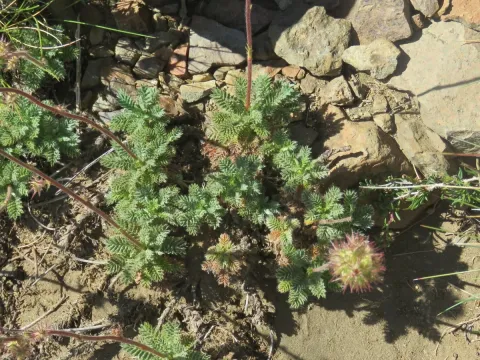
Acaena pinnatifida
Acaena pinnatifida
The sowing of Acaena pinnatifida seeds is typically performed in early spring, during March or April, within a controlled greenhouse or nursery environment. To enhance germination, a period of cold stratification for about 30 days is often recommended.
What the section contains
Acaena pinnatifida
A well-draining, lightweight seed-starting mix is essential for initial growth. Seeds should be surface-sown and lightly covered with a fine layer of sand, as light is a critical factor in triggering the germination process for this species.
Maintaining a stable temperature range between 18 and 20 degrees Celsius is optimal for uniform sprout development. Once the seedlings reach the stage of having two true leaves, they should be transplanted into individual pots to foster root system growth.
When transitioning the young plants to the outdoors, it is imperative to wait until all risks of frost have passed. Proper hardening-off procedures should be followed to prepare the plants for field conditions.
Vegetative propagation through division of mature clumps is also a common and effective method for increasing plant numbers. This is best done in late summer when the plant is less stressed by heat, allowing for quick establishment.
Acaena pinnatifida, a member of the Rosaceae family, originates from the mountainous regions of South America. It is a resilient perennial ground cover known for its aesthetic, fern-like foliage.
The plant thrives in full sun or light shade and demands well-drained, gritty, or sandy soil. It is notably intolerant of waterlogged conditions, which makes the inclusion of gravel or coarse sand in the soil profile a requirement.
Regarding moisture, Acaena requires moderate watering during dry spells but should be allowed to dry out slightly between irrigation events to prevent root decay. It is highly valued in xeriscaping for its ability to withstand temporary droughts.
The growth habit involves creeping stems that root at the nodes, creating a dense, low-growing mat. This makes the plant an excellent choice for stabilizing soil on slopes and filling gaps between stepping stones in rock gardens.
While fairly hardy, in areas with harsh, snowless winters, providing a light organic mulch or covering with evergreen boughs can protect the crown of the plant from extreme temperature fluctuations.
Root rot caused by fungal pathogens is the most significant threat to the health of Acaena pinnatifida. This usually occurs due to poor drainage or excessive humidity, making soil structure management the primary defense.
Slugs and snails can cause cosmetic damage to the delicate foliage, particularly during moist seasons. Applying a barrier of crushed stone or diatomaceous earth around the base of the plant can discourage these mollusks effectively.
Occasional infestations of aphids or spider mites may occur during periods of prolonged heat and dryness. Regular monitoring and the application of horticultural oils or insecticidal soap are effective control measures when damage is spotted.
Maintaining a healthy environment through proper plant spacing is essential. Allowing air to circulate freely among the mats prevents the buildup of moisture that promotes fungal growth and pest nesting.
If any part of the plant shows signs of necrosis or wilting, it should be promptly removed. This sanitation practice helps prevent the potential spread of pathogens to the rest of the ground cover colony.