
Alchemilla acutiloba
Alchemilla acutiloba
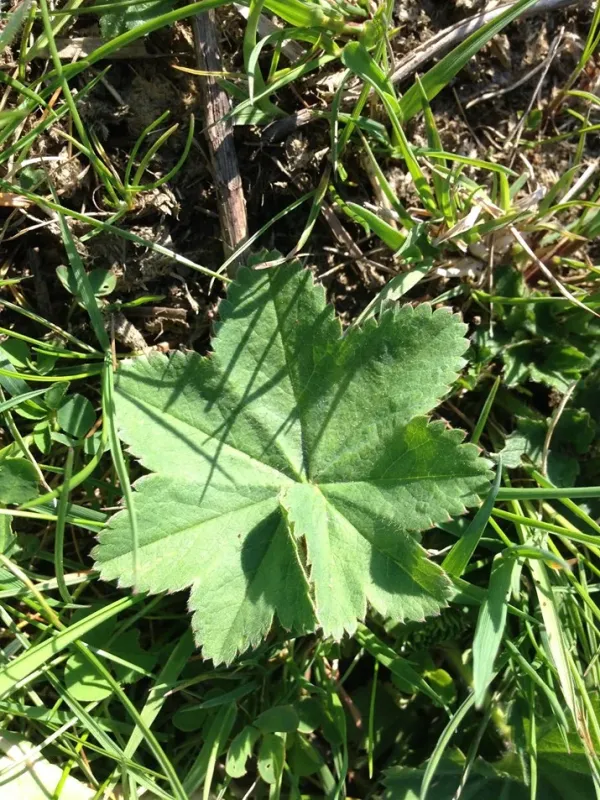
Description
Growing requirements
Alchemilla acutiloba is a herbaceous perennial plant belonging to the Rosaceae family. Commonly known as a type of lady's mantle, it is native to the temperate regions of Eurasia and is often found in meadows, forest edges, and mountainous areas.
Botanically, the plant is characterized by its palmately lobed leaves with sharp teeth, which give it a distinct appearance. It produces clusters of small, yellowish-green flowers on stalks that emerge from the central basal rosette of leaves.
The crop thrives in temperate climates with high atmospheric humidity. It prefers fertile, loamy soils that retain moisture but offer good drainage. Excessive heat can stunt growth, so partial shade is often beneficial for achieving high biomass yields.
Regarding agricultural practices, it is essential to prepare the soil by incorporating organic matter. This ensures the plant has the necessary nutrients to develop its dense root system and abundant foliage, which is harvested for medicinal or decorative use.
Propagation is typically achieved through seed germination in spring or by division of mature rhizomes. Ensuring adequate plant spacing during establishment is crucial to promote air circulation and prevent stress to the young plants.
Main diseases and pests
Powdery mildew is one of the most common fungal diseases affecting Alchemilla acutiloba, especially when planting density is too high or airflow is restricted. It appears as a white dust on the foliage, compromising the quality of the harvest.
Root rot represents a significant threat during periods of excessive rainfall or poor soil drainage. This condition can quickly lead to plant death, necessitating site selection that prevents water stagnation.
Aphids often target the succulent new growth of the plant. While they may not kill the plant outright, their feeding causes distortion of the leaves and can act as vectors for secondary viral infections.
Spider mites are another pest to watch for during dry, hot spells. They thrive in low humidity and can cause yellowing and necrosis of the leaves, significantly reducing the plant's vigor and its medicinal profile.
Maintaining a healthy environment through proper crop rotation and consistent monitoring for early signs of disease is the best strategy for managing these threats in a commercial or garden setting.