
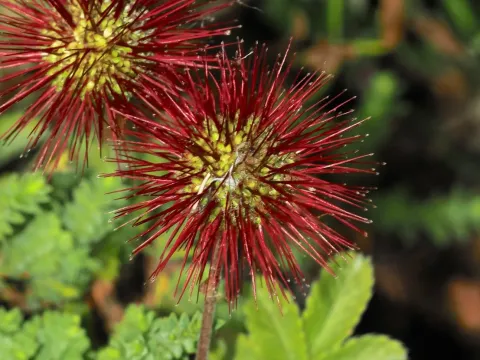
Acaena ovalifolia
Acaena ovalifolia
Acaena ovalifolia is a resilient herbaceous perennial plant belonging to the Rosaceae family. Native to the mountainous regions of South America, specifically the Andean zones, it has evolved to thrive in rocky, well-draining environments.
What the section contains
Acaena ovalifolia
The plant grows as a creeping mat, utilizing stems that root as they spread across the surface. Its foliage consists of small, oval-shaped leaves with serrated edges, creating a lush, dense carpet effect that is highly valued in various landscaping projects.
Successful cultivation requires full sun to partial shade conditions. The soil must be gritty and well-drained; heavy, clay-based soils that retain too much water are unsuitable and often lead to root rot. A neutral to slightly acidic pH is ideal for healthy growth.
While the plant is quite hardy, it appreciates a cool climate. In regions with very hot and humid summers, it may struggle, so placing it in a well-ventilated area is crucial. It is well-suited for rock gardens, pathway borders, and as a filler between stepping stones.
Maintenance is relatively low, focusing primarily on occasional trimming if the mat spreads beyond the desired area. It does not require intensive fertilization, as it is adapted to poorer soil conditions in its native habitat.
The primary threats to Acaena ovalifolia are fungal diseases, particularly those triggered by excessive soil moisture and poor drainage. Root and crown rot are the most frequent causes of plant death in poorly managed garden settings.
Pests are generally not a major issue, though aphids may occasionally colonize the soft, new growth during stressful weather conditions. Regular observation and manual removal are usually enough to keep pest populations at manageable levels without chemical intervention.
To prevent disease outbreaks, it is vital to ensure adequate air circulation around the plants. Avoiding overhead irrigation in the late afternoon can help prevent the foliage from remaining wet for too long, which discourages the development of powdery mildew.
Weed control is essential during the establishment phase. Once the carpet of Acaena has thickened, it usually becomes competitive enough to suppress most weeds, reducing the need for mechanical or manual weeding in subsequent seasons.
For chemical protection, if necessary, use fungicides specifically labeled for ornamental groundcovers. Always follow local agricultural guidelines when applying treatments, ensuring they are used safely near other garden plants and surrounding ecosystems.