
Agrimonia pilosa
Agrimonia pilosa
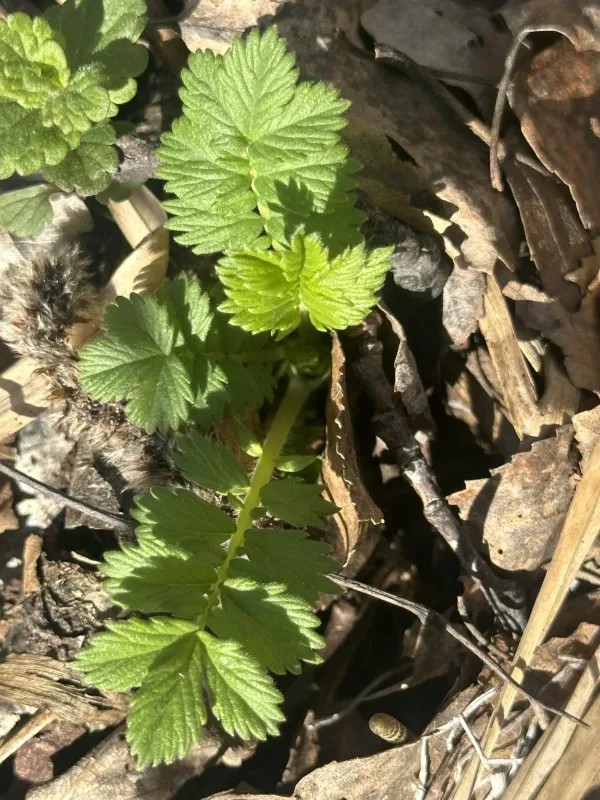
Description
Sowing dates
Sowing Agrimonia pilosa requires careful preparation of the seeds, as they benefit significantly from cold stratification. The best results are achieved by autumn sowing, allowing the seeds to undergo natural overwintering before germinating in the spring.
When sowing in the spring, ensure that seeds are stratified for at least 4-6 weeks under controlled refrigerated conditions. Seeds should be placed at a shallow depth of 1-2 centimeters to maintain optimal contact with the soil while allowing sufficient light penetration.
Row spacing should be maintained between 45 and 60 centimeters to facilitate mechanical weeding and ensure good airflow. High planting density is often avoided to reduce the humidity levels that favor the development of fungal diseases.
Thinning should be performed once the seedlings have reached the two-leaf stage, ensuring that plants are spaced adequately to promote strong root system development. This practice is crucial for long-term productivity of the medicinal plantation.
Consistent moisture management during the first few weeks after emergence is vital for successful establishment. Once the plants are well-rooted, they demonstrate moderate drought tolerance, though supplemental irrigation remains beneficial during dry spells.
Growing requirements
Agrimonia pilosa belongs to the Rosaceae family and prefers sunny locations with well-drained, fertile soil. It thrives in loamy or sandy-loam environments with a neutral to slightly acidic pH level, which optimizes nutrient availability.
The plant is hardy and adapts well to various temperate climates. It requires consistent exposure to sunlight throughout the growing season to ensure the synthesis of secondary metabolites, which are essential for its medicinal efficacy.
Soil fertility management should involve balanced fertilization, avoiding excessive nitrogen that encourages lush foliage growth at the expense of flower production. Phosphorus and potassium-rich fertilizers are preferred to support overall plant health.
Good soil drainage is non-negotiable for this species, as waterlogged conditions lead to rapid root rot and overall plant decline. Careful site selection, including slight slopes to prevent water pooling, is recommended for commercial operations.
The plant demonstrates good frost resistance, making it suitable for temperate agricultural regions. Proper mulching can be used in colder areas to protect the crown during extreme winter temperatures, although it is typically not required.
Main diseases and pests
Fungal pathogens such as powdery mildew represent a significant threat to Agrimonia pilosa crops, especially in high-humidity conditions. Maintaining optimal spacing and ensuring good ventilation are the most effective preventive measures.
Rust infections can also occur, characterized by spots on the leaves that significantly reduce the quality of the harvested medicinal material. Early detection and the removal of affected plants are necessary to prevent the spread of spores throughout the field.
Aphids and spider mites are the most frequent insect pests. These pests target young shoots and leaves; therefore, regular scouting is recommended. Integrated pest management (IPM) practices should be employed to maintain the purity of the crop.
Soil-borne nematodes may affect older plantations, leading to stunted growth. Crop rotation is essential for maintaining soil health and minimizing the build-up of pathogens that persist in the ground for multiple seasons.
When chemical intervention is required, it must be performed using approved biological agents that do not leave harmful residues on the plant tissue. Safety protocols should strictly limit the use of pesticides to pre-flowering stages.
Harvesting
The harvesting period for Agrimonia pilosa is determined by its flowering stage, which typically occurs in early to mid-summer. Harvesting at peak flowering ensures the highest concentration of active compounds in the aerial parts.
The top 25-30 centimeters of the stem are cut using clean, sharp tools. Harvesting should be performed on dry days, ideally after the morning dew has evaporated, to ensure the quality of the raw material and reduce drying time.
Drying is a critical step that should be performed in a cool, shaded, and well-ventilated area to preserve the plant's essential oils. Excessive heat should be avoided, as it leads to the degradation of delicate active ingredients.
After the material is fully dried, it should be carefully sorted to remove any discolored leaves, stems, or weeds. The final product should be stored in paper or cloth bags in a cool, dark, and dry environment to maintain its potency.
Properly processed and stored, the herb retains its medicinal properties for up to two years. Regular inventory checks are necessary to monitor for moisture absorption or quality degradation during the storage period.