
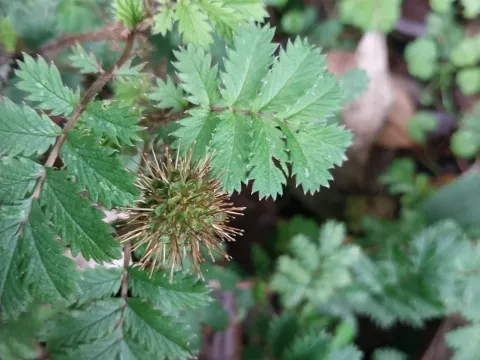
Acaena viridior
Acaena viridior
Acaena viridior is a perennial herbaceous plant belonging to the Rosaceae family. This species is widely recognized as an excellent groundcover, capable of forming dense, vibrant green mats that enhance the visual appeal of garden areas.
What the section contains
Acaena viridior
Originating from New Zealand, this plant has adapted well to various temperate climates. In horticultural settings, it is valued for its ability to create a living carpet, which provides erosion control and suppresses weed growth effectively.
Successful cultivation requires soil that is well-drained and slightly acidic to neutral in pH. The plant thrives in sunny exposures, though it can tolerate partial shade, which may slightly reduce the density of the foliage compared to full-sun sites.
The botanical structure of Acaena viridior consists of creeping stems that root at the nodes upon contact with the soil. This vegetative propagation method allows the plant to expand across available surfaces without requiring constant human intervention.
Cultural practices include providing moderate watering, especially during establishment or prolonged dry spells. While it is hardy in many zones, protective measures might be needed in regions with severe, prolonged freezing temperatures to preserve the foliage.
The primary concern regarding the health of Acaena viridior is excessive soil moisture. Prolonged waterlogging creates an environment conducive to root rot pathogens, which can rapidly compromise the integrity of the plant mat.
Pests such as slugs and snails are known to feed on the tender foliage of the plant. Maintaining adequate spacing and ensuring the garden area is free of dense debris helps to minimize the habitat available for these common garden pests.