
Agrimonia grandis
Agrimonia grandis
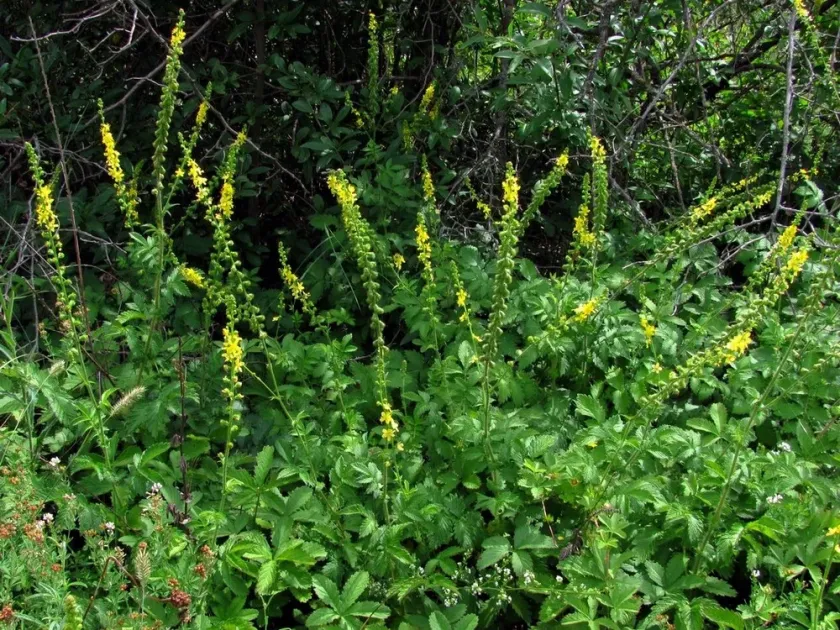
Description
Sowing dates
Sowing of Agrimonia grandis is primarily conducted in the spring, once soil temperatures reach +8...+10°C, or as a late-autumn dormant seeding in October. To achieve uniform germination, the seeds require stratification, making late-autumn sowing highly effective in temperate climates.
The seeds should be sown at a depth of 1–2 cm. When using row planting, maintaining a distance of approximately 45–60 cm between rows ensures optimal light penetration and facilitates easier mechanical care.
Germination is relatively slow, so it is critical to keep the top layer of soil moist during the initial development period. The first two weeks post-emergence are the most vulnerable phase for the young plants.
In commercial cultivation, transplanting seedlings is often employed to accelerate growth. Transplants are set in the field at the 3–4 true leaf stage, which enables the production of marketable yields within the first year of vegetation.
Once mass emergence occurs, initial cultivation between rows is performed to remove weeds that may suppress the crop’s development during the early growth stages.
Growing requirements
Agrimonia grandis is a member of the Rosaceae family that prefers sunny, well-lit locations with moderate moisture levels. The plant is characterized by high winter hardiness and can withstand extended periods without precipitation.
The crop is somewhat demanding regarding soil conditions: it thrives best in fertile, loamy soils with a neutral or slightly acidic pH. Stagnant water in the root zone is detrimental to the plant's overall development.
The optimal temperature for active vegetative growth ranges from +18...+25°C. Excessive nitrogen fertilization can lead to unnecessary biomass growth at the expense of accumulating the desired bioactive compounds.
A key requirement for high yields is ensuring sufficient calcium and potassium levels in the soil. These elements help strengthen stems and improve the plant's overall resilience against unfavorable environmental factors.
To support proper root system development, it is essential to maintain a loose soil structure, avoiding compaction throughout the entire vegetative period.
Yield
The average yield of the above-ground part (the herb) ranges from 1.5 to 2.5 tonnes of dried raw material per hectare under intensive cultivation technology. Peak production is typically reached in the second and third year of the perennial's life.
To increase marketable output, regular applications of organic fertilizers, such as well-composted manure, are used to maintain necessary micronutrient levels in the soil.
Harvesting is conducted during the mass flowering phase, when the concentration of beneficial components in the leaves and inflorescences is at its peak. Delayed harvesting results in coarse stems and lower overall raw material quality.
Plant density is a crucial factor influencing output. Optimal spacing ensures the proper development of each individual bush and minimizes competition for essential nutrients.
After harvest, post-season phosphorus-potassium fertilization is recommended to promote successful overwintering and provide a strong start for the next season's growth.
Main diseases and pests
The crop is relatively resistant to most common diseases; however, under excessive moisture, it may be susceptible to powdery mildew. Preventive measures include timely thinning of the stands and improving air circulation.
Among pests, various species of aphids and leaf beetles pose the greatest threat, as they feed on young foliage. If infestation levels are high, bio-pesticides approved for medicinal crops are applied.
Root rot can occur if fields are chosen with a high water table. Management of this disease involves proper drainage systems and strict adherence to crop rotation practices.
Weeds are the primary competitor during the first years of growth, requiring regular manual or mechanical weeding until the canopy closes between rows.
Prevention of viral infections relies on using high-quality certified seed material and maintaining spatial isolation from wild plant species belonging to the same family.
Harvesting
Harvesting is performed in dry weather by cutting the aerial portion of the plant 10–15 cm above the soil surface. Utilizing professional mowers allows for the mechanization of the process while maintaining the integrity of the vegetative mass.
Post-cutting, the raw material must be transported to the drying facility as quickly as possible. Leaving the harvested mass in the field for extended periods is prohibited, as this leads to loss of color and degradation of active compounds.
Drying is carried out in shaded, well-ventilated buildings or specialized drying chambers at temperatures not exceeding +40°C. This temperature range helps preserve essential oils and flavonoids.
Once dried, the raw material undergoes thorough cleaning to remove impurities and is then packed in paper or fabric bags for storage.
The finished product is stored in dry, dark warehouses with limited humidity exposure, which maintains its medicinal properties for a period of 12 to 24 months.