
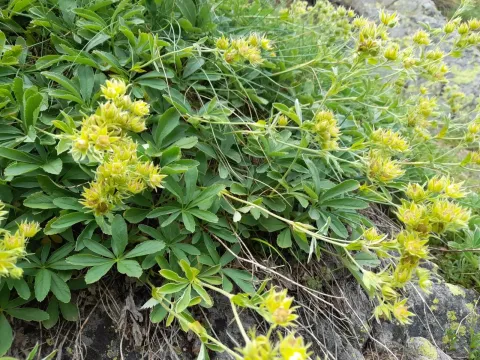
Potentilla valderia
Potentilla valderia
Potentilla valderia is a perennial herbaceous plant belonging to the Rosaceae family. It originates from the high-altitude alpine regions of the Western Alps, where it typically thrives in rocky crevices and steep stony slopes.
What the section contains
Potentilla valderia
The plant has evolved to survive in harsh mountain environments. It develops compact rosettes of leaves and sturdy flower stems covered with characteristic fine hairs, which help the plant retain moisture and protect it from intense UV radiation.
For successful cultivation, the species requires well-drained, preferably calcareous or rocky soils. A crucial factor for survival is the total absence of water stagnation, as the root system is highly susceptible to rot in boggy conditions.
This crop prefers open, sunny locations with a cool climate. In lowland gardens, it is essential to mimic alpine conditions by providing excellent air circulation and ensuring the soil remains cool and well-aerated throughout the growing season.
In terms of agricultural and horticultural use, Potentilla valderia is prized as a decorative element for rock gardens and alpine beds. Its aesthetic appeal and natural resistance to rocky substrates make it a valuable addition to specialized plant collections.
The primary threat to the health of this plant is root rot, induced by excessive irrigation or poorly draining soil. Heavy clay soils are generally incompatible with the biological needs of this species and should be avoided in favor of gritty substrates.
Pests such as spider mites and aphids may infest the foliage during hot and dry spells. Regular inspection of the plant is recommended, especially in late spring and early summer when pest populations are active.
Powdery mildew can affect the plant in conditions of high humidity combined with stagnant air. Planting the species in an open, breezy spot significantly reduces the likelihood of fungal infections spreading across the foliage.
Soil-dwelling larvae, such as white grubs, can cause mechanical damage to the root system, particularly in newly established plantings. Ensuring that the planting site is free of such pests is a vital preventative measure.
Maintaining proper hygiene and avoiding overhead watering helps to prevent the development of various pathogens, ensuring that the plant retains its structural integrity and ornamental value.