
Potentilla tonguei
Potentilla tonguei
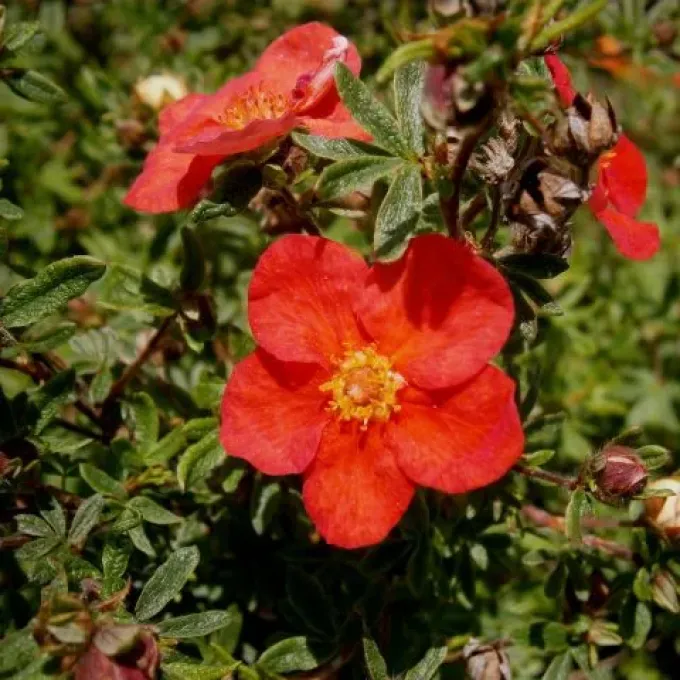
Description
Sowing dates
Propagation of Potentilla tonguei is most commonly achieved through vegetative methods, specifically by dividing the clump or taking cuttings during the spring season. The optimal time for starting these activities is in April or May, once the soil has warmed sufficiently and the risk of night frosts has passed.
The seed propagation method is used less frequently due to the difficulty of collecting quality material and the slow initial development of the seedlings. When using seeds, they are sown in nursery trays in March to obtain strong transplants before planting them into the open ground.
Choosing a permanent location is a crucial factor during sowing or planting, as the culture does not tolerate frequent transplanting well due to its taproot system. The site should be prepared in advance, cleared of perennial weeds, and moderately fertilized with organic matter.
When planting seedlings, it is necessary to maintain a distance of about 30-40 centimeters between plants to ensure sufficient growing space and a decorative mat-like effect. The root collar should be positioned at the surface level of the soil, avoiding deep burial during planting.
Watering after planting must be consistent until the plant is fully established. Later, when mulching conditions are maintained, the need for additional watering decreases, which simplifies the maintenance of this perennial.
Growing requirements
Potentilla tonguei is a low-growing perennial herbaceous plant belonging to the Rosaceae family, valued for its high ornamental qualities. In cultivation, it functions as a ground-cover species, forming dense mats of deeply cut, dark green foliage.
For successful growth, the plant requires sunny, open sites, as in shade, it loses its compactness and blooms less abundantly. Light shade is permissible during the hottest midday hours if the region experiences extremely dry summers.
Soil preferences include loose, well-drained ground with a neutral or slightly acidic reaction. It is important to avoid waterlogging in the root zone, as excessive moisture combined with heavy clay soil leads to root rot.
The plant possesses satisfactory winter hardiness in temperate climates; however, in regions with harsh winters and a lack of consistent snow cover, light protection with spruce branches or a layer of dry peat is recommended to prevent freezing of the flower buds.
Basic maintenance throughout the season consists of sanitary pruning of damaged stems, weeding, and the application of complex mineral fertilizers. Feeding is performed twice per season: at the beginning of the growing period and before the phase of active mass flowering.
Main diseases and pests
The main threats to Potentilla tonguei are fungal diseases, which occur when growing techniques are violated, particularly when the soil is overwatered. Leaf rust is the most common issue, manifesting as orange or brown spots on the leaf blades.
Powdery mildew can also affect the vegetative parts of the plant, especially during periods of high air humidity and poor site ventilation. To combat fungi, it is recommended to timely remove the affected parts and treat the plants with broad-spectrum systemic fungicides.
Among pests, cutworms can cause the most damage, as their larvae eat the young leaves and shoots of the plant. In case of massive pest outbreaks, spraying with insecticides permitted for use on ornamental crops is advised.
Aphids may also settle on the delicate inflorescences, sucking sap and suppressing the overall development of the culture. Preventive inspections of plants help to identify pests at early stages and avoid significant damage without using strong chemical preparations.
An important element of prevention is maintaining proper planting density, which ensures good air circulation within the clumps. In healthy and well-maintained stands, the risk of disease and pest infestation is minimized.