
Potentilla saxifraga
Potentilla saxifraga
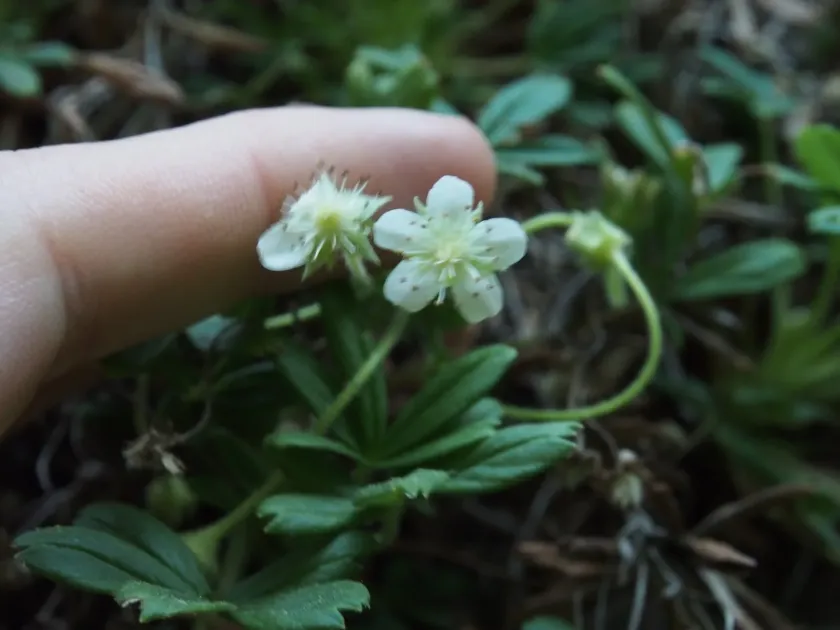
Description
Sowing dates
Propagation of Potentilla saxifraga is most effectively achieved through seeds sown in late autumn. This allows for natural cold stratification, which is essential for breaking seed dormancy and ensuring uniform germination in early spring.
When using artificial stratification, place seeds in a moist substrate inside a refrigerator at approximately 4 degrees Celsius for at least six weeks. After this period, move them to a well-lit area with a temperature around 15 to 20 degrees.
Seedlings are slow to develop initially and require precise care. Avoid overwatering the nursery pots, as the young roots are highly susceptible to damping-off disease if the substrate remains consistently soggy for too long.
Once the seedlings have produced two or three sets of true leaves, they should be transplanted into individual small pots. Using a gritty, well-draining potting mix is vital to prevent root rot during these early stages of maturation.
Hardening off the young plants is necessary before they are planted in the garden. This involves gradually introducing them to direct sunlight and outdoor air over a period of two weeks to prevent transplant shock upon final placement.
Growing requirements
As a member of the Rosaceae family, Potentilla saxifraga is a rock-dwelling perennial that thrives in crevices and stony soils. Its natural habitat dictates that it must be planted in areas with excellent drainage to survive long-term.
The ideal soil composition for this species includes a mixture of standard garden soil, grit, and limestone chips. This gritty substrate replicates the natural alpine environment, ensuring that water passes through quickly and does not accumulate near the roots.
Full sun is essential for the plant to maintain its low-growing, cushion-like habit. If grown in partial shade, the plant will inevitably lose its compact form, becoming leggy and significantly less resilient to environmental stressors.
The plant is highly tolerant of cold and dry conditions, making it an excellent choice for rock gardens or scree beds. It does not require frequent fertilization; in fact, overly rich soil often discourages the plant from blooming properly.
Watering should be minimal and focused on avoiding the crown of the plant. During the peak of summer, occasional deep watering may be beneficial, but it must be spaced out sufficiently to allow the root zone to dry out completely between applications.
Main diseases and pests
The primary threat to Potentilla saxifraga is crown rot, caused by excessive moisture around the base of the plant. This is usually the result of poor soil drainage or planting in a site with low air circulation.
Powdery mildew can occur in humid weather conditions. To manage this, it is recommended to ensure the plants are not overcrowded and that there is constant airflow around the foliage to reduce humidity levels significantly.
Aphids can occasionally infest the growing tips during the spring months. These pests should be monitored closely and removed using gentle insecticidal soap sprays if the population reaches a level that impacts plant vigor.
Root-feeding pests like grubs can cause damage to the underground parts of the plant. Maintaining a clean site and removing weeds that could harbor these pests is an effective cultural control method for a rock garden.
Fungal leaf spots may appear if the plants are kept in stagnant, wet conditions. Proper spacing and selecting a site that receives sun for most of the day are the best preventative measures to keep the foliage healthy and clean.