
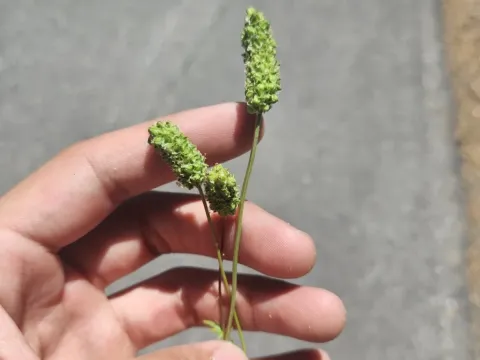
Poteridium
Poteridium
Poteridium (lat. Poteridium) belongs to the Apiaceae family and represents a specialized group of plants with unique botanical characteristics suitable for specific agro-environments.
What the section contains

Poteridium
The optimal sowing time occurs in early spring, once the danger of late frosts has passed and soil temperatures consistently support seed germination.
Seeds should be sown at a shallow depth, ensuring good contact with the soil to maximize moisture absorption during the critical initial stages of development.
Row spacing should be calculated based on the expected canopy width, which promotes better air circulation and reduces the incidence of fungal diseases.
Seedbed preparation is vital, involving fine tilling to ensure that the delicate root system of the seedlings can establish without obstruction.
This crop thrives in well-drained, loamy soils rich in organic matter, which provide the necessary nutrients for sustained growth throughout the season.
Moderate temperatures are preferred, as extreme fluctuations can induce stress, potentially shortening the vegetative phase and reducing biomass yield.
Adequate sunlight is essential for the photosynthetic processes, so fields should be located in open areas free from shadows cast by trees or structures.
Water management must be precise, maintaining consistent soil moisture while avoiding saturation, which creates a favorable environment for rot-causing bacteria.
Nutrient supplementation should be based on soil testing results, focusing on balanced NPK ratios to support both vegetative and reproductive phases.
The yield potential of Poteridium is highly responsive to the quality of agronomic management, particularly regarding weed suppression and nutrient availability.
Harvesting for biomass requires careful monitoring of plant maturation, as nutritional content often peaks just prior to the full flowering stage.
Techniques such as mulching or precise inter-row cultivation can significantly enhance yields by preserving soil moisture and enhancing root health.
Biological stimulants applied during the growth phase can help the crop overcome environmental stressors and maximize final yield per hectare.
Consistency in field operations, from precise planting density to timely weeding, remains the most reliable strategy for achieving high-quality output.
Common agricultural pests for the Apiaceae family, including specialized aphids and beetles, can significantly impact crop health if left unmanaged.
Fungal pathogens represent the most common threat, often exacerbated by high humidity or poor field drainage that facilitates spore germination.
Integrated pest management strategies are recommended, combining biological controls with targeted chemical interventions to protect the crop cycle.
Crop rotation is a fundamental practice to disrupt the life cycles of soil-borne pathogens that might otherwise accumulate in the growing area.
- Regular scouting for leaf spots and yellowing.
- Removal of infected debris to prevent overwintering pathogens.
- Maintaining healthy soil pH to discourage bacterial infections.
Harvesting is performed once the plant has reached its peak physiological state, characterized by optimal color and structural integrity of the harvested tissues.
Mechanical harvesting equipment should be adjusted to operate at a height that minimizes contamination from soil and surface residues.
Post-harvest handling is critical for maintaining quality, requiring prompt cooling and transport to processing facilities to prevent dehydration.
Storage environments must be strictly climate-controlled, focusing on low humidity and adequate airflow to maintain the integrity of the collected material.
Efficient logistics during the harvesting phase ensures that the product reaches its destination in optimal condition, preserving its value for intended uses.