
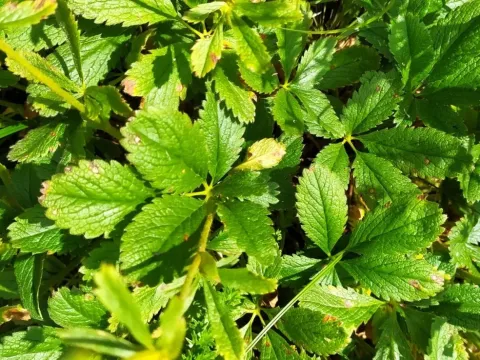
Potentilla umbrosa
Potentilla umbrosa
Potentilla umbrosa is a member of the Rosaceae family, primarily cultivated for its aesthetic appeal in shaded garden environments. Propagation is usually achieved through seed germination in controlled greenhouse conditions during the early spring months.
What the section contains
Potentilla umbrosa
For direct sowing, the seeds should be placed on a well-drained, light substrate, as they require sufficient ambient light to initiate the germination process successfully.
The spacing between seedlings is critical for the development of healthy rosettes; a standard planting distance of 30 to 40 centimeters is recommended for optimal growth and air circulation.
Transplanting container-grown plants into permanent garden spots is most effective during the moderate temperatures of spring or early autumn, ensuring the roots establish before seasonal extremes.
Consistent monitoring during the seedling phase is necessary to prevent overcrowding and ensure that each plant receives adequate nutrients from the soil mixture.
As the specific epithet implies, Potentilla umbrosa thrives in shaded or semi-shaded locations, which protects the foliage from the damaging effects of intense direct sunlight.
The ideal soil type is a fertile, moisture-retentive, yet free-draining medium, as the plant is sensitive to waterlogged conditions that can compromise its root structure.
Regular moisture levels must be maintained throughout the growing season, particularly during the hot summer months, to prevent the plant from wilting or experiencing stress.
Incorporating organic matter or compost into the planting site improves soil structure and fertility, supporting the long-term health and vigor of this herbaceous perennial.
The plant demonstrates a preference for temperate climates and requires shelter from harsh, drying winds to maintain its attractive leafy appearance throughout the season.
Pathogenic fungi, such as those responsible for powdery mildew, are the primary disease threats, especially when environmental conditions include high humidity and low air movement.
Root rots caused by overwatering or poor drainage often lead to significant plant decline; thus, proper water management is the most effective preventative measure.
Common garden pests, including aphids and spider mites, can infest the foliage, sucking vital sap and causing yellowing or deformed leaf growth during peak infestation periods.
Integrated pest management, including the use of targeted horticultural soaps or insecticides, is recommended when pest populations exceed acceptable thresholds in the garden.
Regular inspection of the plant base and underside of leaves allows for the early detection and remediation of any pest or disease issues before they escalate.