
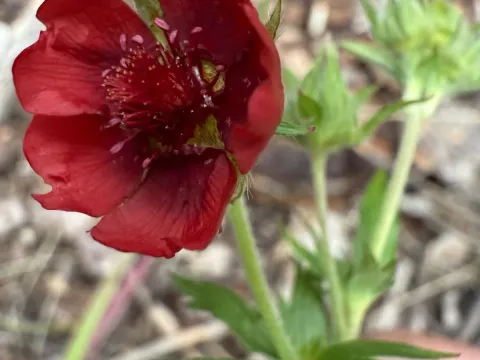
Thurber's cinquefoil
Potentilla thurberi
The propagation of Thurber's cinquefoil (Potentilla thurberi) is typically started from seeds in late winter or early spring. Seeds often require a period of cold stratification to break dormancy and ensure uniform germination.
What the section contains
Thurber's cinquefoil
When sowing, seeds should be lightly covered with a fine layer of growing medium or vermiculite. Maintaining consistent moisture and a temperature around 18-20 degrees Celsius is essential for successful seedling development.
Once seedlings have developed several true leaves and the threat of frost has completely passed, they are ready to be transplanted into their permanent garden location.
Vegetative propagation via root division is another effective method, best performed in early spring or autumn. This method preserves the specific characteristics of the parent plant.
Adequate spacing is crucial to ensure good airflow. A distance of approximately 30-40 centimeters between plants allows for optimal growth and helps prevent fungal issues.
Thurber's cinquefoil belongs to the Rosaceae family and is native to the mountain regions of the Southwestern United States and Mexico. It is highly adapted to high-altitude climate conditions.
The plant thrives in full sun but can tolerate partial shade, especially in hotter climates where protection from the afternoon sun is beneficial for maintaining leaf color.
Well-draining, moderately fertile soil is required for healthy growth. Sandy or loamy soils are ideal, as they prevent the roots from sitting in stagnant water, which the plant does not tolerate.
Watering should be moderate. While the plant is somewhat drought-tolerant once established, providing regular water during active blooming stages enhances flower production.
The species is known for its beautiful, deep crimson flowers with dark centers, which make it a popular choice for rock gardens and perennial borders that require low-maintenance flora.
Fungal diseases, such as powdery mildew, are the most frequent health issues encountered when growing Thurber's cinquefoil in conditions with poor air circulation or high humidity.
Root rot is a significant risk caused by overwatering or poorly draining soil. To mitigate this, ensure the planting site is elevated or amended with sand and gravel to improve drainage.
Insect pests such as aphids and spider mites may occasionally infest the plants, particularly during hot and dry spells, leading to yellowing or curled leaves.
Effective pest management involves early detection and the use of gentle insecticidal soaps or horticultural oils if the infestation levels become detrimental to the plant's health.
Maintaining a clean garden bed by removing weeds and spent foliage helps in reducing the overwintering sites for potential pathogens, keeping the plant healthy throughout the season.