
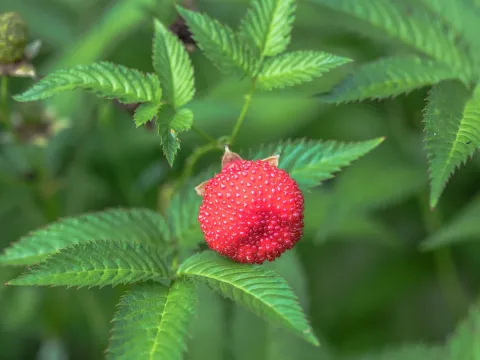
Tibetan raspberry
Rubus thibetanus
The Tibetan raspberry (Rubus thibetanus) is a deciduous shrub belonging to the Rosaceae family. Unlike common raspberry species, this plant is primarily recognized for its ornamental stems, which are characterized by a distinct white, waxy bloom, giving them a ghostly appearance in the winter garden.
What the section contains
Tibetan raspberry
Originating from the mountainous regions of Western China and Tibet, the plant thrives in cooler climates with adequate moisture levels. It has become a popular choice for gardens and specialized agricultural landscapes that require hardy, aesthetically pleasing perennials that can handle moderate frost.
Cultivation requires well-drained, fertile soil with a neutral to slightly acidic pH. The plant performs best in full sun or partial shade. Exposure to consistent sunlight enhances the unique coloration of the stems, making site selection a critical factor for achieving the best decorative results.
Agricultural management involves regular pruning to remove old or damaged wood, as the most vibrant stems are produced on young growth. The plant is known for its vigor and can spread rapidly through its root system, often requiring containment or careful site planning to prevent encroachment into surrounding areas.
Consistent moisture is essential during the establishment phase and periods of active growth. Applying organic mulch around the base helps retain soil moisture, suppresses weeds, and mimics the natural forest-floor environment that these plants prefer in their native habitat.
While generally robust, the Tibetan raspberry can be susceptible to common bramble pests such as spider mites and aphids. Furthermore, poor soil drainage can lead to root rot and other fungal infections, which are the most common agricultural threats to this specific species.
Maintaining good air circulation through proper spacing and pruning significantly reduces the risk of disease. Regular monitoring during the growing season allows for early intervention, ensuring the plants remain healthy and continue to provide their signature visual appeal throughout the year.