
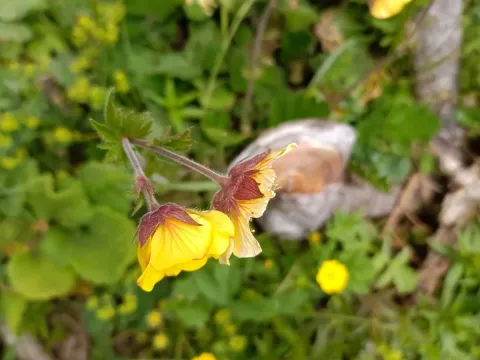
Thomas's avens
Geum thomasianum
Geum thomasianum, commonly known as Thomas's avens, is a perennial herbaceous plant belonging to the Rosaceae family. Native to high-altitude mountainous regions of Europe, this species is well-adapted to subalpine meadows where temperatures remain cool and moisture is consistently available.
What the section contains
Thomas's avens
The plant features a basal rosette of pinnate, pubescent leaves that provide effective insulation and water management. Its robust rhizome system serves as a nutrient storage organ, ensuring the plant survives dormant winters and regenerates quickly once spring temperatures arrive in its habitat.
For cultivation, Geum thomasianum requires well-drained, fertile soil with a slightly acidic to neutral pH. A mix of organic matter and mineral components in the soil helps maintain an optimal structure, allowing the roots to breathe while retaining sufficient moisture for continuous growth.
In terms of agricultural management, the plant thrives in partially shaded environments. While it can handle some direct sunlight, consistent moisture is vital in such cases to prevent leaf scorch and dehydration. Proper placement prevents the heat stress often associated with exposed, sun-drenched garden beds.
Watering schedules should be regular, mimicking the mountain environment by keeping the soil consistently damp but never waterlogged. Fertilization is typically performed in early spring using balanced NPK fertilizers, which support the development of healthy foliage and subsequent flower production during the blooming season.
The primary threats to Geum thomasianum include fungal diseases triggered by high humidity levels or poor air circulation. Powdery mildew is the most frequently encountered issue, manifesting as a white fungal growth on leaves that necessitates the immediate use of proper ventilation and systemic fungicides.
Root rot represents a critical hazard in soil that lacks proper drainage. When water accumulates near the base of the plant, the rhizomes become susceptible to pathogens, which can lead to sudden wilting and total death of the specimen, emphasizing the need for sandy or gravel-enriched soil layers.
Pest pressures are primarily caused by aphids and spider mites, which feed on the sap of young tissues, significantly weakening the plant's immune system. These pests not only extract vital nutrients but can also act as vectors for complex viral infections that are difficult to treat once established.
Management of these threats involves a proactive sanitary approach, including the removal of dead or decaying plant matter throughout the season. Eliminating debris significantly reduces the habitat for pests and the source of inoculum for potential fungal outbreaks in the subsequent year.
When chemical intervention is required, it is essential to use products specifically formulated for perennials to avoid leaf phytotoxicity. Integrating biological control methods and ensuring optimal planting density are the most sustainable ways to ensure the longevity of Geum thomasianum in any landscape.