
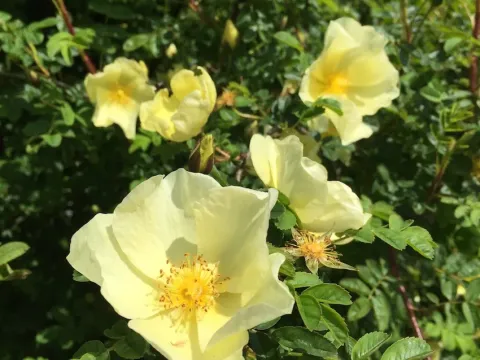
Winged rose
Rosa pteragonis
The winged rose (Rosa pteragonis) is an intriguing shrub belonging to the Rosaceae family. Originally native to the mountainous regions of China, this species is highly valued by botanists and gardeners for the distinct, wing-like outgrowths on its stems.
What the section contains
Winged rose
The plant features intricate, pinnate leaves and a robust structure. It thrives in temperate mountain climates, showing a preference for locations with cool air and ample sunlight, which helps maintain its peculiar stem development.
Cultivation requires well-draining, fertile loamy soil. Because the root system is sensitive to waterlogging, site selection should prioritize elevated areas or sites with enhanced drainage systems to prevent root rot.
Standard horticultural practices for this species include consistent mulching to retain moisture in the root zone and annual pruning. Pruning should be carried out in early spring to remove dead wood and encourage new growth.
This shrub serves as a magnificent addition to ornamental gardens, particularly in rock gardens or as a specimen plant where its unusual stem texture can be admired. It is relatively adaptable once established.
Fungal diseases are the primary concern for the winged rose, with powdery mildew being the most prevalent. Ensuring adequate spacing between plants is crucial to promote airflow and prevent the accumulation of moisture on the foliage.
Aphids pose a recurring threat to the tender new growth during the spring. Early detection is key; manual removal or the application of insecticidal soaps can often resolve the problem before significant damage occurs.
Spider mites may become problematic during hot, arid weather conditions. Signs of infestation include stippled leaves and fine webbing; increasing humidity around the plant can often deter these pests.
Black spot is a common fungal issue that can lead to premature defoliation. Consistent sanitation, such as removing fallen leaves at the end of the season, is a vital step in breaking the infection cycle.
Balanced fertilization throughout the growing season strengthens the plant's natural defenses. Proper nutrition helps the winged rose withstand environmental stressors and reduces its susceptibility to secondary pest attacks.