
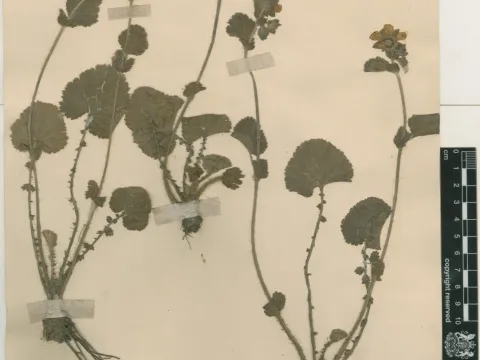
Sikkim avens
Geum sikkimense
Sowing Geum sikkimense requires careful attention to its biological cycle, as the seeds often benefit from a period of cold stratification to break dormancy. For best results, sow seeds in early spring in a well-drained seed-starting mix, keeping them at a cool temperature to simulate natural germination conditions.
What the section contains
Sikkim avens
Seedlings should be transplanted once they have developed their first set of true leaves, ensuring they are handled with care to protect their delicate root structures. Placing the young plants in individual pots allows them to establish a robust root system before they are eventually moved into the open garden.
Hardening off the plants is a crucial step that should be performed over the course of two weeks by gradually exposing them to outdoor conditions. This process helps the plants adjust to the local microclimate, wind, and varying light conditions, ensuring higher survival rates after transplantation.
When choosing a site for permanent planting, select an area that receives morning sun but offers protection during the intense afternoon heat. Proper spacing, ideally 30 to 40 centimeters apart, ensures sufficient air circulation, which is essential to prevent the buildup of humidity and the onset of fungal diseases.
Propagation through division is a reliable method for established Sikkim avens. By dividing the mature clumps every few years in early spring or after the main flowering season, gardeners can maintain the health and vigor of the plants, effectively resetting the root system and stimulating fresh growth.
Geum sikkimense is a member of the Rosaceae family and prefers soil that is rich in organic matter, moist, and well-draining. While it adapts to a variety of soil types, a loamy texture with a slightly acidic to neutral pH is considered optimal for achieving the best vegetative and floral results.
Maintaining adequate moisture levels is essential for this species, especially during the active growth period. Although it is relatively hardy, it does not tolerate waterlogged soil, which can quickly lead to root rot. Installing a good drainage system or choosing a slightly sloped planting site is highly recommended.
Fertilization should be managed carefully to support healthy foliage and blooming without causing excessive, weak growth. Applying a balanced organic fertilizer in early spring provides the necessary nutrients for the season, while light supplemental feeding before bud formation can boost floral quality.
Mulching is a highly effective cultural practice for this plant, as it helps regulate soil temperature and moisture levels. Using a layer of compost or shredded bark around the base of the plant suppresses weeds and reduces the need for frequent irrigation, creating a stable environment for the roots.
Light requirements for Sikkim avens are best met in partial shade or filtered sunlight. In regions with cooler summer temperatures, the plant may tolerate more direct sun, but in warmer climates, protecting the foliage from extreme solar radiation is vital to prevent leaf scorching and desiccation.
Powdery mildew is one of the most common threats to Geum sikkimense, particularly when high humidity is paired with poor ventilation. Visible as a white, dusty layer on the leaves, this fungus can significantly weaken the plant, making regular inspection and prompt application of fungicides necessary.
Root rot, often caused by stagnant water or pathogens like Phytophthora, poses a severe risk to the health of the plant. To mitigate this, ensure the planting area is properly drained and avoid overhead watering in the late afternoon, as foliage that stays wet overnight is more susceptible to infection.
Aphids can be a recurring problem, feeding on the tender young shoots and buds. While usually not fatal, an infestation can disfigure the plant and stunt its development. Biological controls, such as introducing beneficial insects or using neem oil, are excellent ways to manage populations without damaging the ecosystem.
Thrips may also damage the flowers, leading to deformed petals and discoloration. Monitoring for these tiny pests during the blooming phase is important, as they can quickly spread throughout a flower bed if left unmanaged, affecting the overall aesthetic appeal of the garden display.
Effective management strategies should always emphasize sanitation, which includes removing dead or diseased foliage throughout the season. By maintaining a clean environment and ensuring plants have adequate space to breathe, gardeners can naturally limit the pressure from various pathogens and pests.