
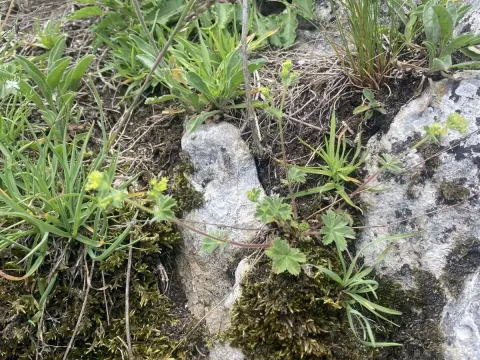
Silky lady's mantle
Alchemilla sericata
Silky lady's mantle is a hardy perennial best propagated through division of established clumps. The ideal time for planting is early spring or early autumn, allowing the root system to establish itself in the cool soil before the onset of extreme seasonal temperatures.
What the section contains
Silky lady's mantle
While seed propagation is possible, it requires a cold stratification process to overcome dormancy. Seeds should be sown in late autumn in an outdoor seedbed or started indoors in late winter under cool conditions to ensure consistent germination rates.
Careful site selection is essential, as this plant thrives in the same location for many years. Before planting, the soil should be thoroughly cleared of invasive weeds and enriched with organic matter, such as well-rotted compost, to provide a steady supply of nutrients.
When transplanting divisions, ensure a spacing of approximately 30 to 40 centimeters between individual plants. This distance provides adequate airflow, which is critical for maintaining the plant's health and preventing the fungal issues associated with stagnant air pockets.
Proper planting depth is vital for the survival of the crown. The base of the stems should sit precisely at the soil surface level; planting too deeply can lead to crown rot, while planting too shallowly may leave the roots susceptible to drying out during the initial establishment phase.
This species performs best in full sun but demonstrates remarkable tolerance for partial shade. In regions with intense summer heat, afternoon shade is highly recommended to protect the delicate, silky foliage from scorching and to maintain its aesthetic silver-green coloration.
The ideal soil profile for this plant is a well-draining, moderately fertile loam. It is adaptable to a range of pH levels but prefers slightly acidic to neutral soils. Excessive water retention in heavy clay soils must be mitigated through the addition of grit or organic amendments.
Silky lady's mantle is exceptionally cold-hardy, surviving even severe winters without specialized protection. It is a robust grower in temperate climates, capable of withstanding fluctuations in spring temperatures without suffering damage to its foliage or reproductive structures.
Maintaining a consistent moisture level is the primary goal of the irrigation regimen. While the plant appreciates regular watering, the soil must never become waterlogged. Mulching with inorganic materials like pea gravel can help retain soil moisture while keeping the foliage dry.
Regular maintenance involves keeping the surrounding area free from encroaching weeds. As the plant expands, its dense foliage eventually suppresses weed growth, but during the first year of establishment, manual weeding is necessary to prevent competition for resources.
Powdery mildew is the most common disease affecting this species, particularly in regions with high humidity or stagnant air. The infection manifests as a powdery white coating on the leaves, which significantly impacts the plant's ornamental appeal and overall vigor.
Root and crown rots are significant threats, often triggered by excessive moisture or poorly drained soils. Prevention is key; ensure that the planting site has an effective drainage system and avoid over-irrigating during cool or cloudy weather conditions.
Aphids and leaf-feeding beetles are the primary insect pests encountered. These insects feed on the sap and young leaf tissue, often leading to stunted growth or deformed foliage. Early detection through regular inspections allows for targeted intervention before populations explode.
Slugs and snails can be problematic, especially in cool, damp seasons. They are attracted to the soft leaves of the lady's mantle. Implementing barriers or using organic slug baits around the periphery of the planting area can keep damage to a minimum.
In cases of severe infestation or infection, sanitary pruning is the most effective approach. Remove and dispose of affected plant parts to reduce the inoculum load. Avoid composting diseased materials to prevent the spread of pathogens back into the garden soil.
Harvesting silky lady's mantle is typically performed for medicinal, herbal, or ornamental purposes. The best time for collection is during full bloom, when the concentration of essential tannins and flavonoids in the foliage and flowers is at its peak.
If the goal is ornamental, deadheading the flower stalks after they fade is standard practice. This simple maintenance task redirects the plant's energy into vegetative growth, ensuring the foliage remains lush and vibrant throughout the rest of the growing season.
For dried herb production, the aerial parts should be harvested in the morning after the dew has evaporated. Drying should take place in a shaded, well-ventilated area to ensure the delicate leaves retain their natural color and textural qualities.
Once completely dehydrated, the material should be stored in airtight containers made of glass or paper, kept in a cool, dark environment. This protects the dried leaves from light-induced degradation and preserves their potency for subsequent use.
Properly dried and stored, the harvest remains viable for 18 to 24 months. Regular inspection of stored supplies is recommended to ensure no signs of moisture or insect activity emerge, guaranteeing a high-quality product for any intended culinary or therapeutic application.