
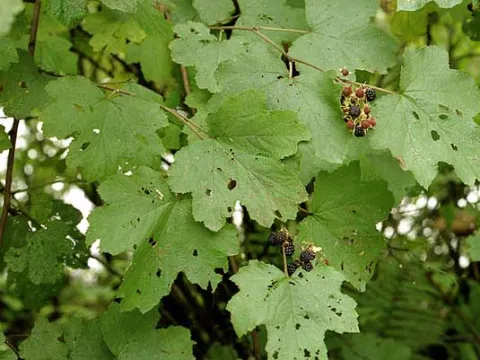
Sichuan blackberry
Rubus setchuensis
Sichuan blackberry (Rubus setchuensis) is a perennial shrub belonging to the Rosaceae family. This species is native to the mountainous regions of Sichuan province, China, where it grows in sheltered habitats with specific climatic conditions.
What the section contains
Sichuan blackberry
Botanically, it is a climbing or arching shrub characterized by specialized foliage and stems typical of the genus. Its growth habit allows it to thrive in semi-shaded areas, making it a unique candidate for specific ecological niches in temperate regions.
Cultivation requires fertile, well-draining soil that is rich in organic matter. A pH level between 5.5 and 6.5 is ideal for nutrient uptake. Waterlogging must be strictly avoided, as the root system is sensitive to anaerobic conditions.
Climate requirements include protection from extreme winter frosts and hot, dry winds. It grows best in regions with mild summers and sufficient rainfall, requiring supplementary irrigation during peak vegetative growth phases if rainfall is insufficient.
General maintenance involves regular mulching to keep the root zone cool and moist, while organic fertilizers are recommended to maintain soil fertility over time. Proper spacing between plants is essential to ensure adequate airflow and light penetration.
Like many species in the Rubus genus, the Sichuan blackberry is susceptible to various fungal pathogens. Leaf rust and gray mold are primary concerns, particularly when humidity levels remain high for extended periods.
Pest management focuses on controlling aphids and spider mites, which can proliferate rapidly in warm weather. Regular inspections of the underside of leaves are necessary to identify early infestations before they cause significant damage.
Root-feeding larvae, such as those of the June beetle, can pose a hidden threat. Incorporating beneficial soil organisms and maintaining plant vigor through proper nutrition is the best defense against these underground pests.
Sanitation practices, such as removing fallen leaves and pruning diseased stems, are vital to breaking the disease cycle. Implementing a structured pruning schedule keeps the plant canopy thin and less conducive to pest harborages.
In cases of severe infestation, integrated pest management (IPM) protocols should be followed. Always prioritize biological control agents and sustainable horticultural practices before considering chemical interventions.