
Sibiraea
Sibiraea
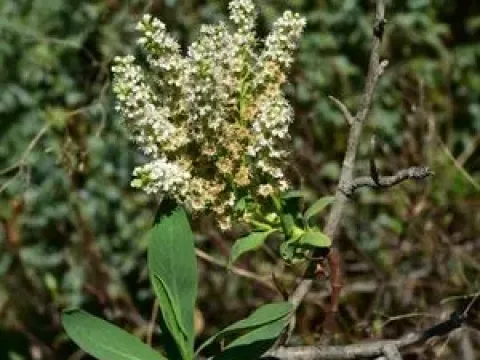
Sibiraea is a genus of deciduous shrubs belonging to the Rosaceae family. These plants are highly regarded in both horticulture and landscape architecture for their hardiness and structural beauty.
What the section contains


Sibiraea
The native range of the genus includes the mountainous regions of Central Asia and Siberia. Due to its origin, the plant is remarkably well-adapted to harsh continental climates and extreme cold.
In terms of soil, Sibiraea performs best in well-draining, moderately fertile loams. It is essential to ensure that the site is not prone to waterlogging, as the roots are susceptible to decay in standing water.
Regarding light requirements, this shrub thrives in full sun but can tolerate partial shade. Proper sunlight exposure is crucial for maintaining a compact shape and promoting dense inflorescences during the blooming season.
Maintenance is relatively simple, focusing primarily on occasional spring pruning to stimulate new growth. It exhibits excellent drought tolerance once the root system is firmly established in the soil.
While Sibiraea is robust, it can encounter health issues when environmental conditions are suboptimal, particularly in environments with poor air circulation or excessive humidity.
Powdery mildew and various leaf spots are the most frequent fungal diseases. These can be effectively managed by providing adequate spacing between shrubs and removing debris during maintenance.
Pests such as aphids and spider mites can occasionally affect the foliage, especially during hot and dry summer spells. Regular inspection of the plant is recommended to detect these threats early.
Management of these threats typically involves the use of targeted fungicides and insecticides when biological control methods are insufficient to contain the infestation.
Cultivation practices that prioritize plant hygiene and proper placement significantly reduce the vulnerability of Sibiraea to environmental stressors and biological pathogens.