
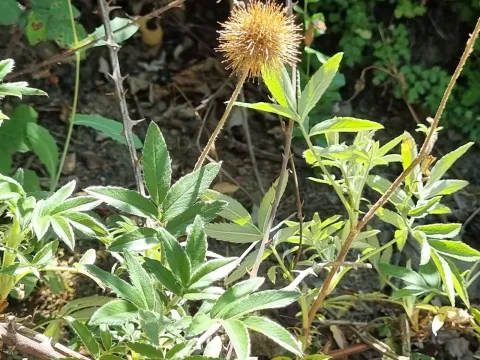
Silver Acaena
Acaena argentea
Silver Acaena (Acaena argentea) is a low-growing perennial herb belonging to the Rose family (Rosaceae). The species is highly valued in horticulture for its beautiful, fern-like, silver-hued foliage that forms a dense, attractive mat, making it a staple for rock gardens and groundcover applications.
What the section contains
Silver Acaena
The plant originates from the mountainous regions of South America, specifically Chile and Argentina. These habitats are characterized by cool temperatures and rocky terrain, which has contributed to the species' overall hardiness and adaptability to poor, gritty soil conditions found in domestic gardens.
For optimal growth, Silver Acaena requires full sun exposure and well-draining soil. It is particularly sensitive to waterlogged conditions, which can lead to rapid decay of the foliage and root rot. Therefore, it is strongly recommended to use sandy or rocky soil mixes with excellent drainage properties.
Agricultural management of Acaena is minimal once established. It is an excellent choice for xeriscaping or low-maintenance garden designs. Regular monitoring during the spring is advised to ensure that weeds do not compete with the mat-forming habit of the plant during its active expansion phase.
Beyond its ornamental use, Silver Acaena is sometimes employed in soil stabilization for small slopes or banks. Its fibrous root system helps to hold loose, rocky soil in place, preventing erosion while simultaneously providing a high-quality decorative finish to the landscape.
The most common health issues for Acaena argentea involve fungal pathogens related to humidity. Crown rot and various leaf spot diseases are frequently observed if the plant is kept in areas with poor air circulation or stagnant water in the growing medium.
Pests are generally not a significant concern, although aphids can occasionally infest the new, tender growth during the spring season. In most cases, a gentle water spray or the application of insecticidal soap is sufficient to control minor outbreaks and maintain the plant's health.