
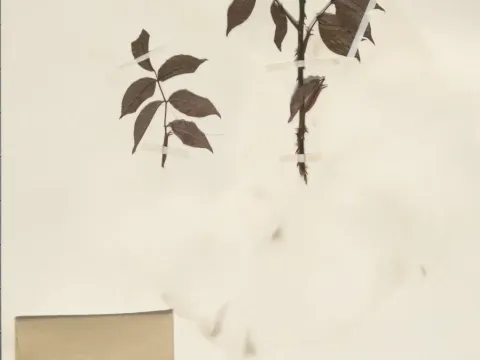
Giant rose
Rosa gigantea
The giant rose (Rosa gigantea) is a member of the Rosaceae family. It is a vigorous evergreen climber capable of reaching heights of 15 to 20 meters in its native habitat by scaling trees.
What the section contains
Giant rose
Native to the Himalayan foothills, Yunnan, and Myanmar, this species thrives in warm, humid subtropical environments that lack severe frost conditions.
Cultivation requires fertile, well-drained loamy soils. Proper drainage is essential, as waterlogging is highly detrimental to the root system of this species.
Climate requirements are strict: the plant is not frost-hardy and generally requires greenhouse conditions in non-subtropical regions to prevent cold damage.
Agronomic maintenance includes providing sturdy support structures to manage the significant weight of the stems and implementing consistent fertilization programs during the primary growth cycle.
The primary economic and agricultural significance of Rosa gigantea lies in its role in breeding programs, as it is a parent species of many modern tea roses, contributing to their large flower size.
While not grown as a mass-market commodity, it remains a highly specialized plant for botanical research, genetic preservation, and high-end ornamental display in professional conservatories.
The plant is susceptible to common rose diseases such as black spot and powdery mildew, which can escalate rapidly if air circulation within the greenhouse environment is insufficient.
Spider mites and aphids are the most common pests that colonize young growth. Regular monitoring and integrated pest management are necessary to maintain plant vigor in enclosed spaces.