
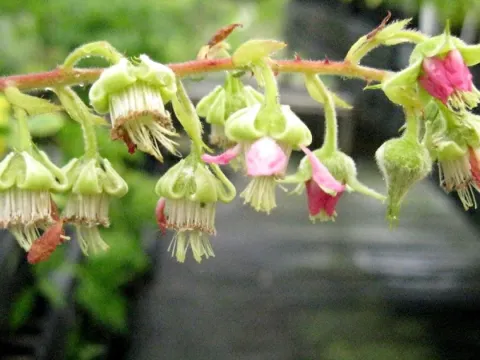
Henry's bramble
Rubus henryi
Henry's bramble (Rubus henryi) is a distinctive evergreen climbing shrub belonging to the Rosaceae family. It is valued primarily for its aesthetic appeal as a foliage-heavy climber rather than as a commercial fruit-bearing crop.
What the section contains
Henry's bramble
Native to the mountainous regions of China, this species thrives in forest margins and scrub habitats. Its natural environment provides high humidity and protection from extreme temperature fluctuations.
For successful cultivation, the plant requires well-drained, nutrient-rich soil. It thrives in locations that offer partial shade, as the foliage is prone to scorching under intense midday sun or desiccating winds.
Climatic requirements focus on warmth and moisture. Rubus henryi is not frost-tolerant in most temperate zones, making it an excellent candidate for greenhouse cultivation or sheltered wall-side planting in warmer regions.
Agrotechnical practices include the installation of sturdy supports such as trellises. Since it is a vigorous grower, regular pruning is essential to manage its size and encourage a denser, more attractive habit.
The plant is susceptible to common bramble diseases, including anthracnose and various types of leaf spot, which are often triggered by stagnant, humid conditions around the foliage.
Pests such as spider mites and aphids are known to feed on the tender new growth of Rubus henryi, potentially stunting the plant's development if left untreated.
Preventative care involves maintaining good airflow through the plant canopy and avoiding overhead watering, which can promote fungal growth on the leaves.
If an infestation occurs, integrated pest management strategies should be used, favoring horticultural oils or soaps to minimize impact on the plant's delicate aesthetic features.
Monitoring for discoloration or premature leaf drop is key, as these are often the first signs that the plant is under stress from pathogens or pest pressure.